



- Home
- News
- Ecosphere
- Аnimals & plants
- Ancient travellers of the oceans and land on the brink of extinction
Ancient travellers of the oceans and land on the brink of extinction
27 November is celebrated worldwide as Turtle Conservation Day.

 Turtle Conservation Day, 27 November: Threats to these ancient reptiles and conservation efforts in Ukraine


Every year on 27 November, the global conservation community marks Turtle Adoption Day, which aims to draw public attention to the catastrophic decline in the population of one of the planet’s oldest reptiles. Turtles first appeared on Earth over 220 million years ago, survived the age of the dinosaurs and several mass extinctions, yet today they find themselves in critical danger due to human activity.
According to estimates by the International Union for Conservation of Nature (IUCN), more than half of the approximately 360 extant species of marine, freshwater and terrestrial turtles are at risk of extinction. This date also serves as a reminder of the responsibility of exotic pet owners, as thousands of turtles die as a result of illegal capture for sale as pets or because they are released into unsuitable climatic conditions.
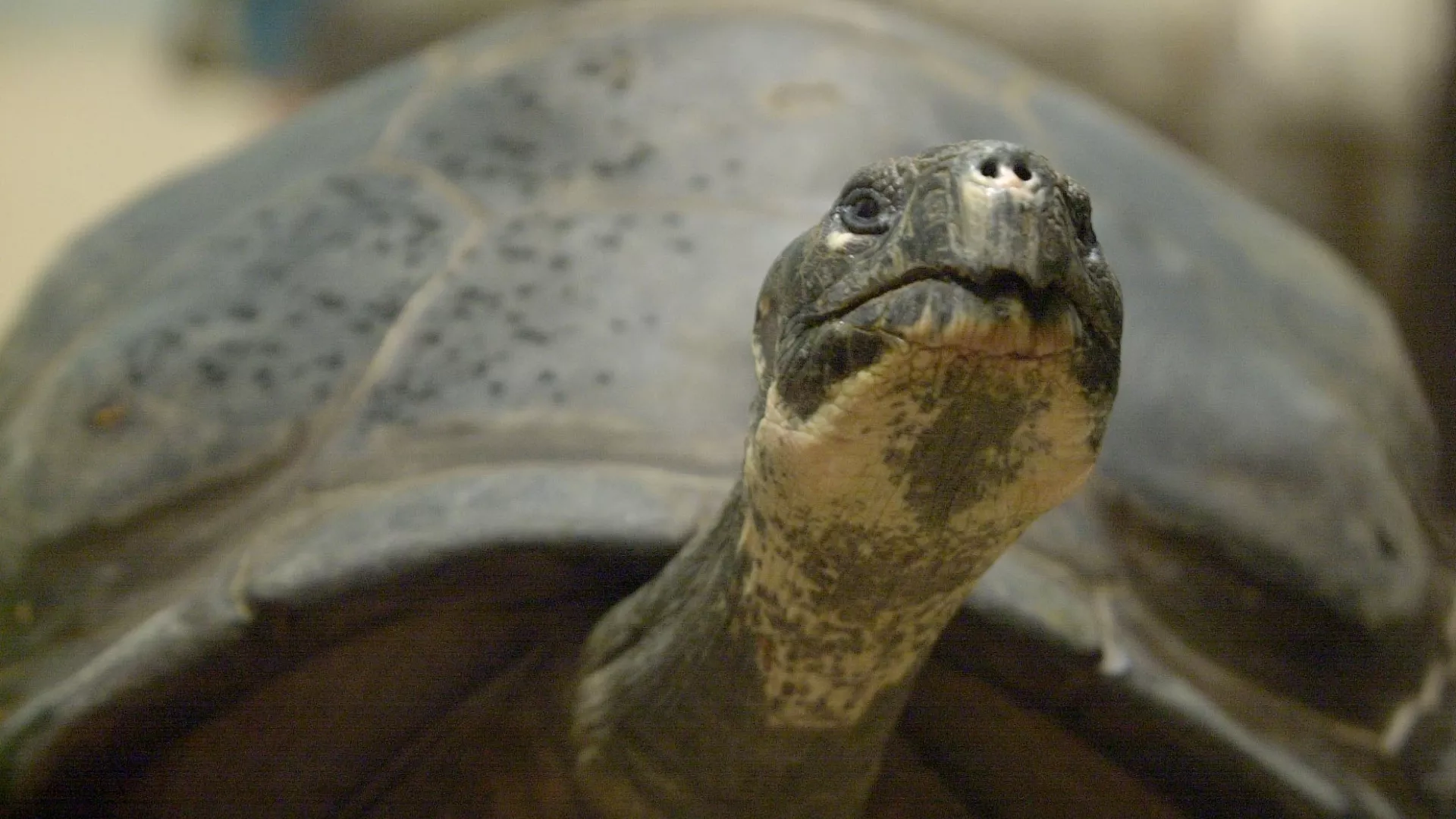
Why the disappearance of turtles poses a threat to entire ecosystems
Turtles act as ‘ecosystem engineers’ in the world’s oceans as well as in freshwater and terrestrial habitats:
- Maintaining the balance of the seas: sea turtles feed on jellyfish and sea sponges, thereby preventing them from multiplying excessively, and also help to maintain the health of seagrass beds, where commercially important fish species spawn;
- Cleaning freshwater bodies: river and lake turtles act as natural scavengers, feeding on diseased fish and organic debris;
- Seed dispersal and soil formation: terrestrial species disperse plant seeds over long distances and dig deep burrows, which provide shelter for dozens of other animal species.
The main threats to turtles in the 21st century are the destruction of beaches and wetlands, entanglement in industrial fishing trawls, the ingestion of plastic waste (plastic bags in the water resemble jellyfish to sea turtles), the illegal trade in shells and meat, as well as global warming, which disrupts the sex ratio in offspring, as the sex of the embryos depends on the temperature of the sand in the nest.

The European pond turtle in Ukraine and the impact of the war
There is only one native species in Ukraine’s fauna — the European pond turtle (Emys orbicularis), which is listed on the IUCN Red List as a near-threatened species. Its population in Ukraine is declining rapidly due to the drainage of wetlands, the ploughing up of riparian zones, river pollution, the death of animals in road traffic accidents during seasonal migrations, and displacement by an aggressive invasive species — the American red-eared slider, which unscrupulous owners release into local water bodies.
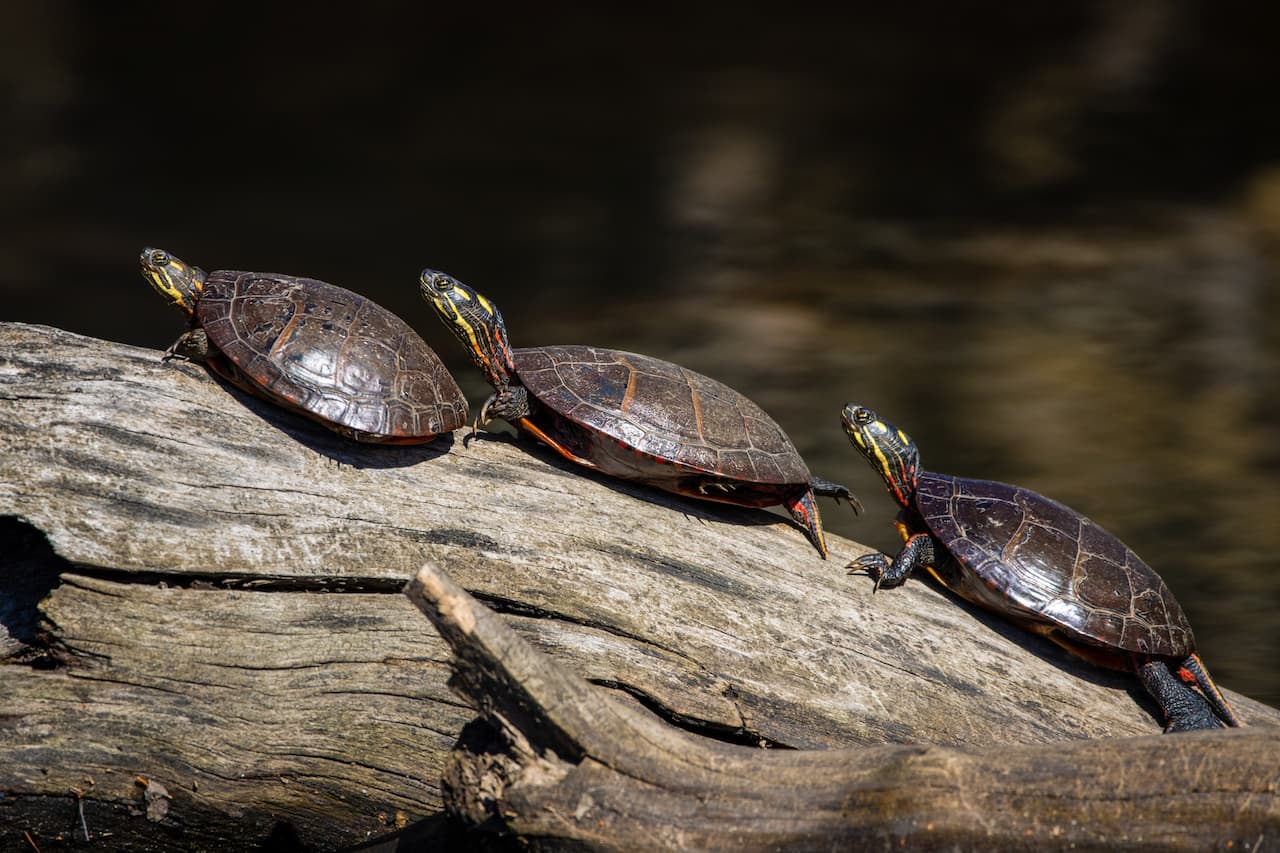
Russian military aggression dealt a further devastating blow to the population: the destruction of the Kakhovka Hydroelectric Power Station, shelling of the protected floodplains in southern Ukraine, the mining of riverbanks and large-scale fires in ecosystems have destroyed thousands of individuals and their breeding grounds. Environmentalists are urging the public not to buy wild turtles at informal markets, not to release exotic species into the wild, and to support rehabilitation centres dedicated to the rescue and reintroduction of rare reptiles.
Read more news on GreenPost.


