



- Home
- News
- Ecosphere
- Аnimals & plants
- The olive tree – a symbol of peace, longevity and environmental sustainability
The olive tree – a symbol of peace, longevity and environmental sustainability
Olive groves are capable of absorbing more carbon dioxide than is emitted during oil production, helping to combat climate change.

 World Olive Tree Day on 26 November: its role in climate change and the threats it faces


Every year on 26 November, the international community, under the auspices of UNESCO, celebrates World Olive Tree Day (World Olive Tree Day), which was officially proclaimed at the 40th session of the organisation’s General Conference in 2019. Since time immemorial, the olive branch has served as a universal symbol of peace, wisdom, harmony and reconciliation, whilst the olive tree itself occupies a central place in the culture, history and economy of the peoples of the Mediterranean.
The aim of this commemorative date is to draw attention to the protection of olive trees and the preservation of the values they embody, for over millennia of cultivation, the olive has become not merely an agricultural crop, but an important part of the world’s natural and cultural heritage.

A natural shield against desertification and climate change
In addition to the high culinary and medicinal value of the fruit and olive oil, olive groves fulfil a critically important ecological function. The olive tree (Olea europaea) is an evergreen, long-lived tree, with some specimens exceeding a thousand years in age. Thanks to their deep root system and exceptional resilience, these trees play a key role in preserving ecosystems:
- Combating soil degradation: olive groves retain moisture, prevent soil erosion and act as a natural barrier against desertification in arid regions;
- Greenhouse gas sequestration: according to estimates by the International Olive Oil Council, olive groves sequester more carbon dioxide from the atmosphere than is emitted during the cultivation of the trees and the production of olive oil, making the sector an important tool for decarbonisation;
- Supporting biodiversity: old olive groves provide a favourable habitat for dozens of species of birds, pollinating insects and small mammals.
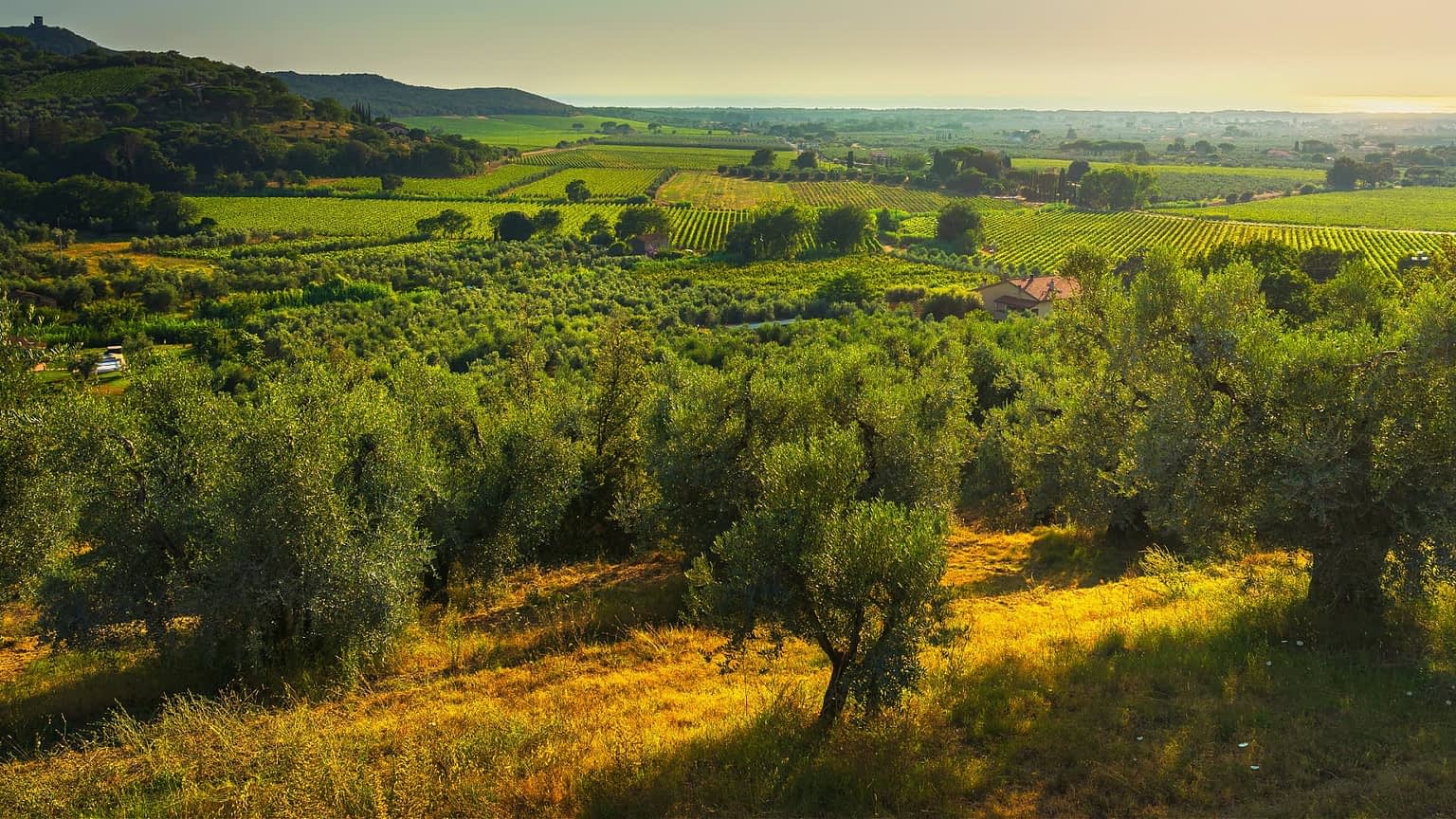
Фото: oliveoiltimes
Contemporary threats to centuries-old olive groves
Despite their natural resistance to heat, olive trees are now suffering increasingly from extreme weather events caused by global warming. Abnormal heatwaves, prolonged droughts, a shortage of water for irrigation and large-scale wildfires in Spain, Italy, Greece and other Mediterranean countries have already led to a significant reduction in harvests in recent years.
An additional threat to olive groves is the spread of quarantine diseases, in particular the bacterium Xylella fastidiosa, which affects the vascular system of plants and causes even centuries-old trees to wither en masse. This is precisely why scientists and farmers are joining forces to preserve the genetic diversity of local olive varieties and to introduce sustainable farming practices.
Read more news on GreenPost.


