



- Home
- News
- Ecosphere
- Аnimals & plants
- The giants of the icy seas are under threat: 24 November is celebrated worldwide as Walrus Day
The giants of the icy seas are under threat: 24 November is celebrated worldwide as Walrus Day
The rapid melting of Arctic ice is forcing these marine mammals to leave their usual resting places and seek refuge on land.

 Photo: Togiak National Wildlife Refuge / image from the US Fish and Wildlife Service’s National Digital Library


Every year on 24 November, the global conservation community marks Walrus Day (Walrus Day) — an environmental observance launched on the initiative of the World Wide Fund for Nature (WWF) and the Marine Mammal Council in 2008. The main aim of the campaign is to draw humanity’s attention to the vulnerability of Arctic ecosystems and the decline in the population of these magnificent marine mammals.
The date of the celebration was not chosen at random: it is precisely at the end of autumn that walruses leave the Arctic coast of the Chukchi Sea and set off to spend the winter in the Bering Strait, becoming particularly vulnerable during their seasonal migration.
Biological characteristics of the Arctic giants
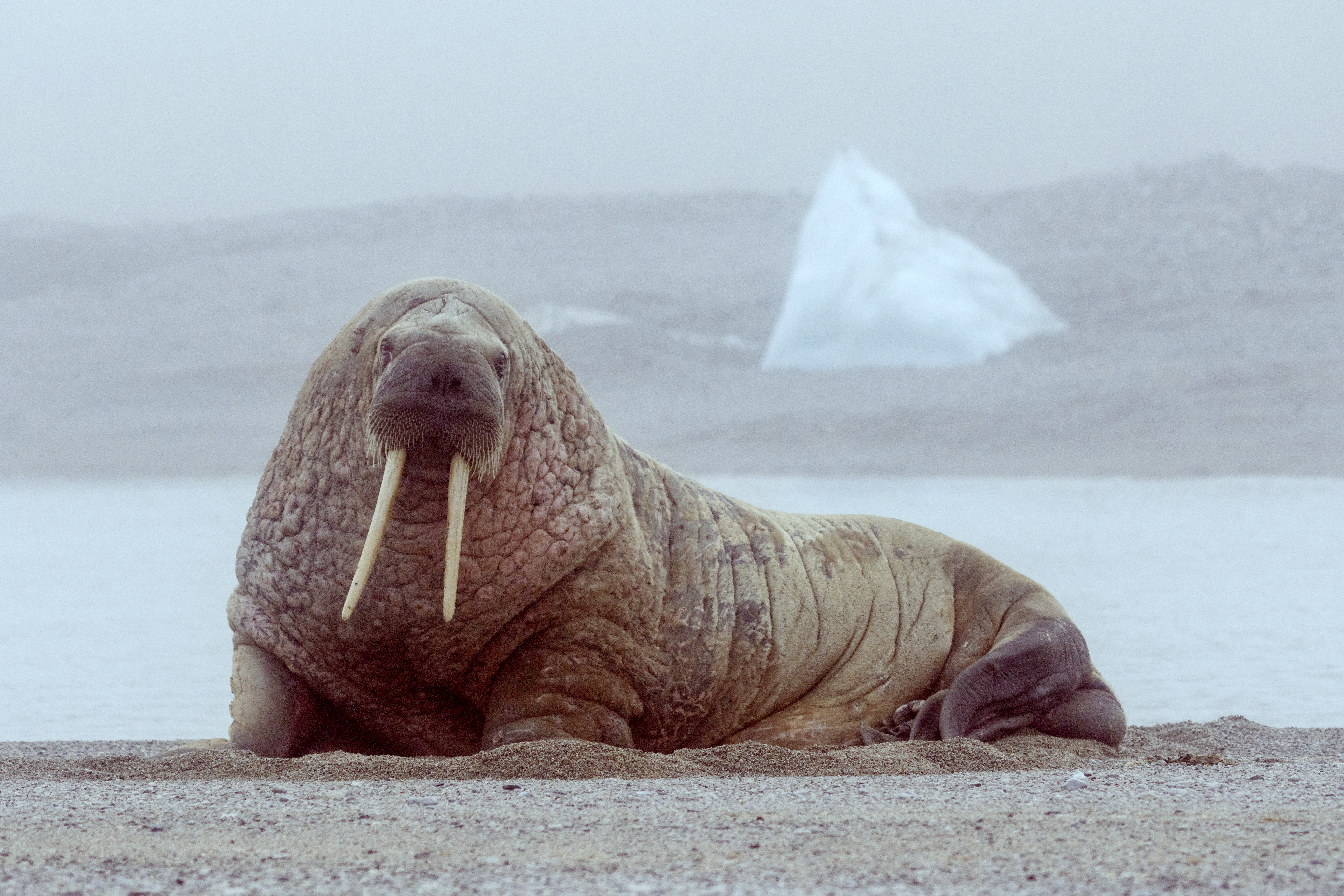
Walrus (Odobenus rosmarus) — the sole living member of the walrus family and one of the largest pinniped mammals on the planet, second in size only to elephant seals. Adult males of the Pacific subspecies can weigh up to 1.5–2 tonnes, with a body length of up to 3.5–4 metres. A thick layer of subcutaneous fat, up to 15 centimetres deep, helps them survive the harsh conditions of polar waters.
Biologists highlight the following unique characteristics of these animals:
- Powerful tusks: elongated upper canines that continue to grow throughout their lives and can reach a length of one metre in males. Walruses use them to haul themselves out of the water onto steep ice floes, to chisel holes in the ice and to defend themselves against predators (polar bears and killer whales);
- Sensitive whiskers: several hundred stiff whiskers on its snout enable the animal to find bivalves, crustaceans and worms in the pitch-black depths of the sea;
- Change in skin colour: in icy water, the blood vessels constrict and the walrus appears pale grey, whereas in the sun on land, blood flows to the skin to cool it down, giving the animal its characteristic pinkish-brown hue.
The climate crisis and human-induced pressure on the Arctic
The main threat to the survival of walruses today is global warming. The Arctic is warming several times faster than the rest of the planet, causing the area of summer drift ice to shrink rapidly. For walruses, the floating ice serves as natural ‘islands’ where they can rest between dives for food and as a safe place to raise their young.
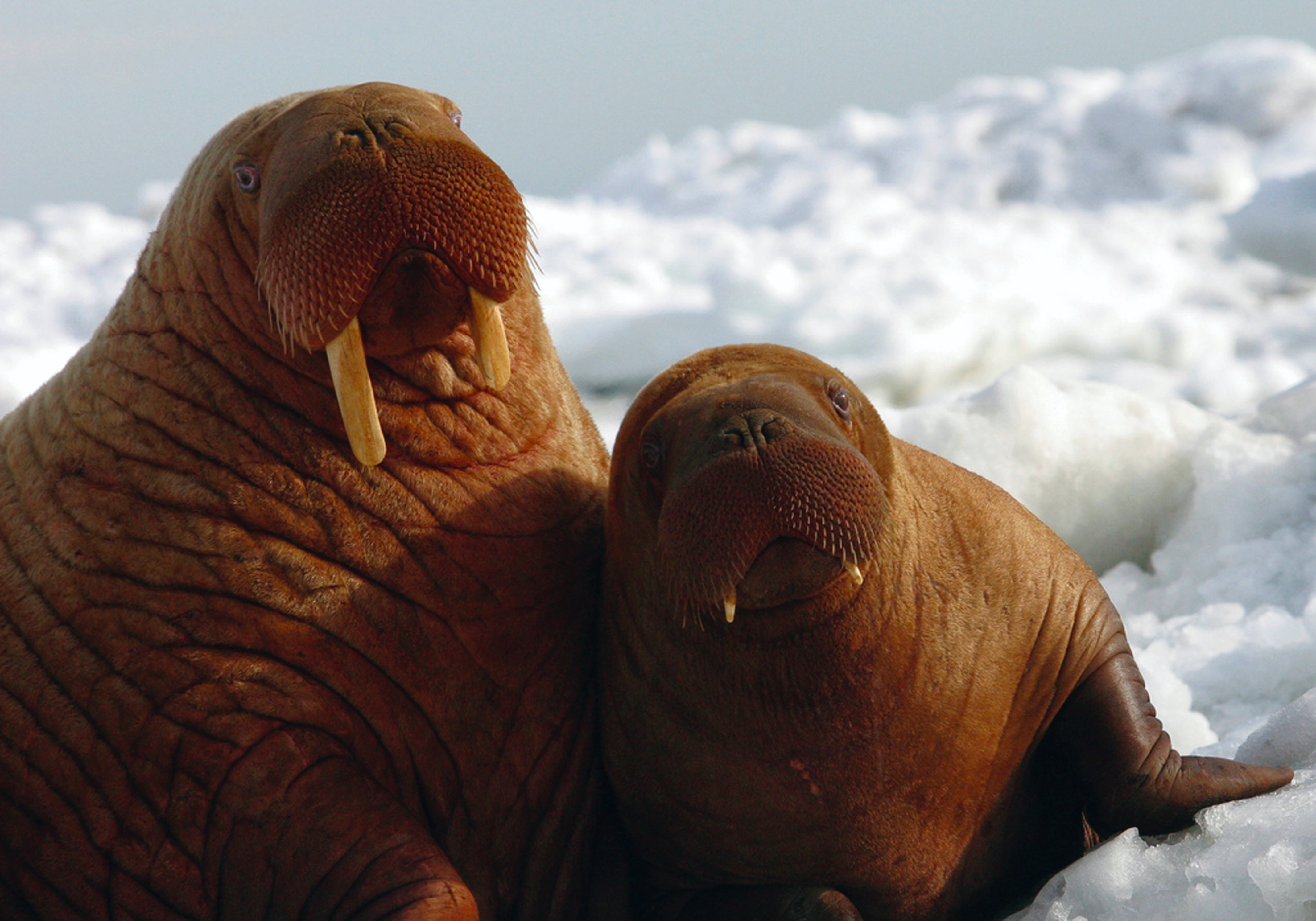
As the ice cover recedes, tens of thousands of animals are forced onto narrow stretches of land, forming huge coastal rookeries. In such gatherings, any sudden noise — a passing aeroplane, an approaching vessel or the appearance of a predator — triggers a panic-stricken stampede, during which hundreds of young animals perish. Additional pressure is caused by heavy shipping traffic along the Northern Sea Route, oil and gas exploration, ocean pollution and poaching. This is precisely why the conservation of walruses is considered one of the key indicators of the health of the entire Arctic ecosystem.
Відео: BBC Earth / Youtube
Read more news on GreenPost.


