



- Home
- News
- Ecosphere
- Аnimals & plants
- Charles Darwin’s work *On the Origin of Species* laid the foundations of modern biology
Charles Darwin’s work *On the Origin of Species* laid the foundations of modern biology
Modern genetics and palaeontology have not only confirmed the theory of natural selection, but also help to predict the resilience of viruses and the adaptation of ecosystems.

 Images from open sources


Every year on 24 November, the global scientific and educational community celebrates World Evolution Day. This commemorative date marks a historic event: it was on 24 November 1859 that the seminal work by the British naturalist Charles Darwin, *On the Origin of Species by Means of Natural Selection, or the Preservation of Favoured Races in the Struggle for Life*, was published in London. The entire first print run of 1,250 copies sold out on the very first day.
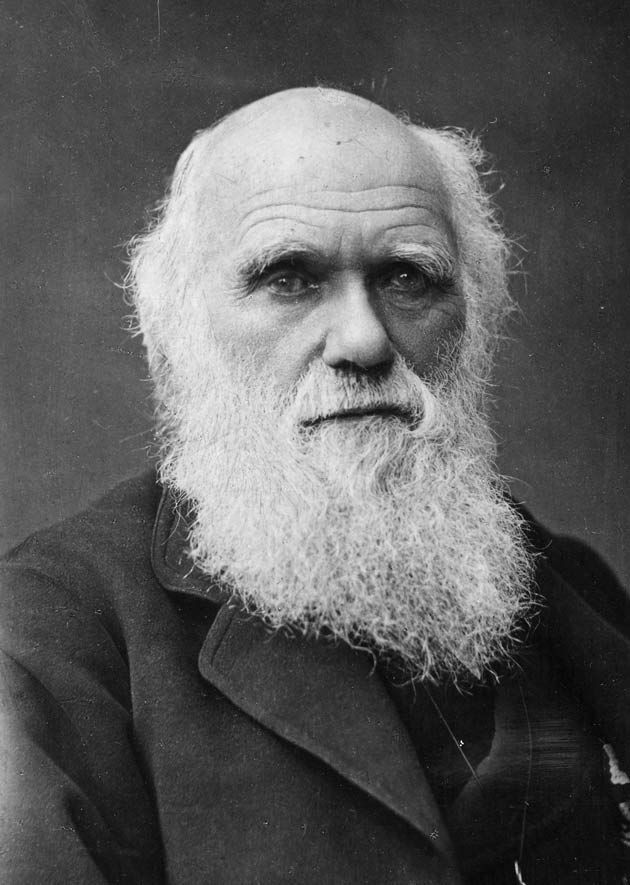
The publication of this work brought about a genuine revolution in the natural sciences, proving that all living organisms on Earth are not static, but share common ancestors and have been evolving continuously over millions of years.
How natural selection works and how the theory has changed over the past century and a half
Darwin identified natural selection as the main driving force behind evolution — a process whereby individuals with traits that are advantageous in a particular environment are more likely to survive and pass these traits on to their offspring. The observations gathered by the scientist during his round-the-world voyage on the HMS Beagle (particularly regarding the finches of the Galápagos Islands) made it possible to explain the planet’s immense biodiversity without resorting to supernatural factors.
In the 20th century, Darwin’s ideas were combined with discoveries in genetics (Gregor Mendel’s laws of inheritance and the discovery of the structure of DNA), giving rise to the synthetic theory of evolution. Today, scientists study evolutionary processes at the molecular level, identifying the key mechanisms of variation:
- Random mutations: changes in the DNA sequence that create new genetic material for selection;
- Gene drift and population isolation: random fluctuations in gene frequencies within small groups of organisms, which over time lead to the formation of new species;
- Horizontal gene transfer: the exchange of genetic information between unrelated organisms; particularly common amongst bacteria.
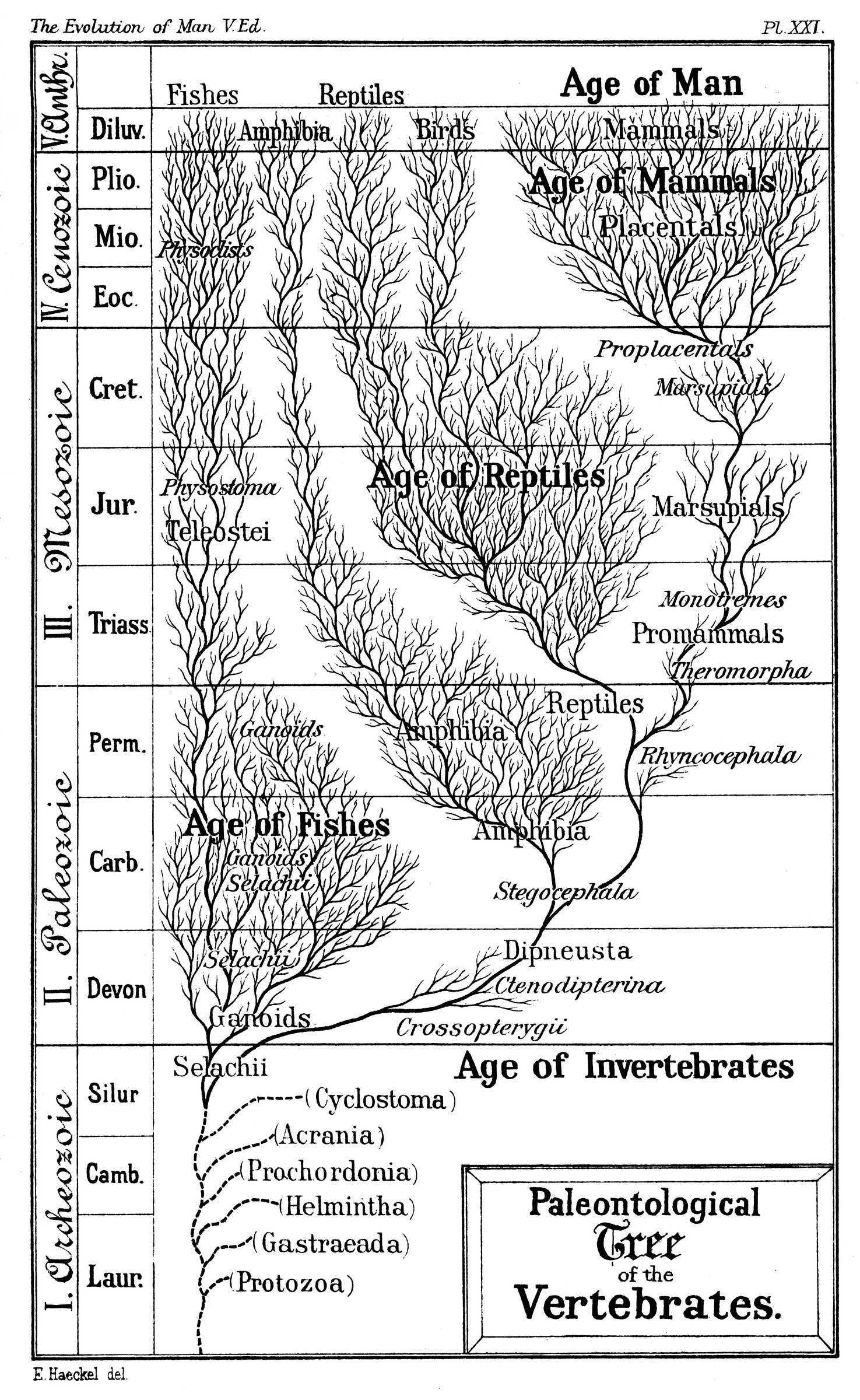
The practical significance of evolutionary biology in the modern world
The theory of evolution has long since moved beyond the confines of purely academic research into the planet’s past and has become a critically important tool in modern medicine, agriculture and ecology. It is precisely this understanding of the laws of evolution that enables scientists to track mutations in infectious disease pathogens (such as influenza viruses or coronaviruses), develop effective vaccines and combat antibiotic resistance in bacteria.
Furthermore, evolutionary biology helps farmers to develop crop varieties that are resistant to drought and pests, and helps ecologists to predict which animal and plant species are capable of adapting to rapid climate change, and which require immediate conservation measures.
Read more news on GreenPost.


