



Menstruation without shame or taboos: how attitudes towards women’s health are changing in Ukraine
For centuries, a wall of silence, shame and superstition has surrounded women’s physiology. Until recently, girls would hide their sanitary products, mask their pain, and the word ‘menstruation’ was considered taboo outside the gynaecologist’s surgery. Today, the world is gradually recognising that menstrual health is not a ‘private inconvenience’, but a fundamental issue of dignity, human rights and public health.

 Photo courtesy of the NGO ‘Women and Children of Ukraine – Our Future’


In Ukraine, the subject of menstruation remains a deeply contentious, taboo and emotionally charged issue. Even today, girls are still too embarrassed to talk about their periods at school, women hide their pain, and a man buying sanitary towels is seen as nothing short of a heroic act. The situation is gradually changing, but not as quickly as we would like. At one time, many of our fellow citizens were shocked by a common European practice when they saw a simple notice on a school door: ‘Sanitary products are available from the school nurse.’
So where do the roots of such stigmatisation lie? Traditionally, prejudicial attitudes towards menstruation have been shaped by a combination of historical, religious, patriarchal and economic factors:
The myth of ‘impurity’: In many ancient cultures, menstrual blood was regarded as a source of defilement. Women were isolated in separate rooms, forbidden to touch food (as it was believed this would spoil it) or livestock (to prevent them from falling ill), or to enter temples (because a woman was ‘unclean’). Some of these superstitions have survived into the 21st century. However, today at least the official church publicly refutes such archaic prohibitions.
A culture of silence and the trivialisation of pain: Since time immemorial, the process was meant to remain unnoticed, whilst symptoms of dysmenorrhoea (period pain) or PMS were dismissed as ‘a woman’s lot in life, which must be endured’. Even today, serious conditions such as endometriosis can take years to diagnose simply because patients’ complaints are dismissed as exaggerated. Unfortunately, menstruation is still sometimes used to discredit women professionally through sexist remarks such as ‘she’s just got PMS’.
The lack of open education: Separating boys and girls into separate groups during the few school lessons on the subject only reinforces the sense that it is something ‘taboo’. As a result, teenagers experience their menarche (first period) with a sense of fear and loneliness.
The global context and the economic dimension
Today, the issue of menstruation has reached the level of government policy and international law; in particular, Scotland has become the first country in the world where sanitary products have been made free of charge for everyone by law in schools, universities and public institutions. Spain was the first country in Europe to introduce paid statutory menstrual leave for women suffering from severe pain. The UK, Germany, Canada and Australia have significantly reduced or completely abolished VAT on sanitary products (the ‘tampon tax’), recognising them as essential items.
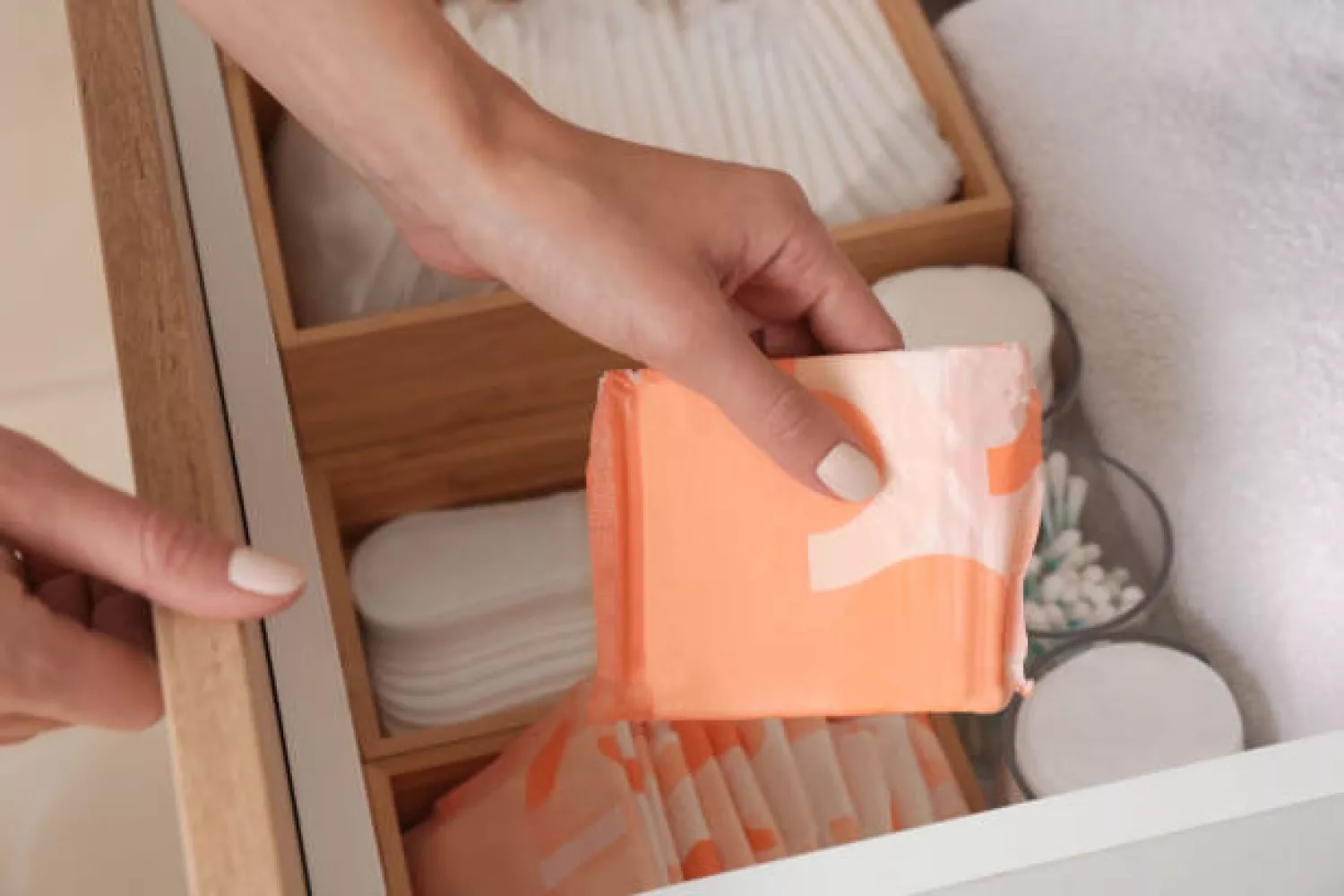
In Ukraine, this issue is particularly acute in the context of period poverty. The cost of basic sanitary products has long since exceeded 80–120 hryvnias per pack. Add to this the monthly need for painkillers, which most women require, and this amounts to an additional 60 to 300 hryvnias. Whilst these costs are manageable for someone on an average income, for female students, low-income households and families with many children, the monthly purchase of sanitary products becomes a major financial burden. At the same time, in Ukraine these products are still subject to the standard VAT rate of 20 per cent, and there are currently no systematic state programmes to provide them in schools or hospitals.
Changes in Ukraine: the challenges of war and the role of activists
Paradoxically, it was the full-scale war that significantly accelerated the destigmatisation of the issue within Ukrainian society. The needs of female defenders on the front line — from uniforms designed to accommodate the female anatomy to hygiene kits for the trenches — became the subject of public debate. Thanks to charities and volunteers, the issue has moved from being a source of shame to one of military logistics, respect and care. For women in civilian life, the problem has become more acute due to prolonged stays in shelters or a lack of access to essential utilities.
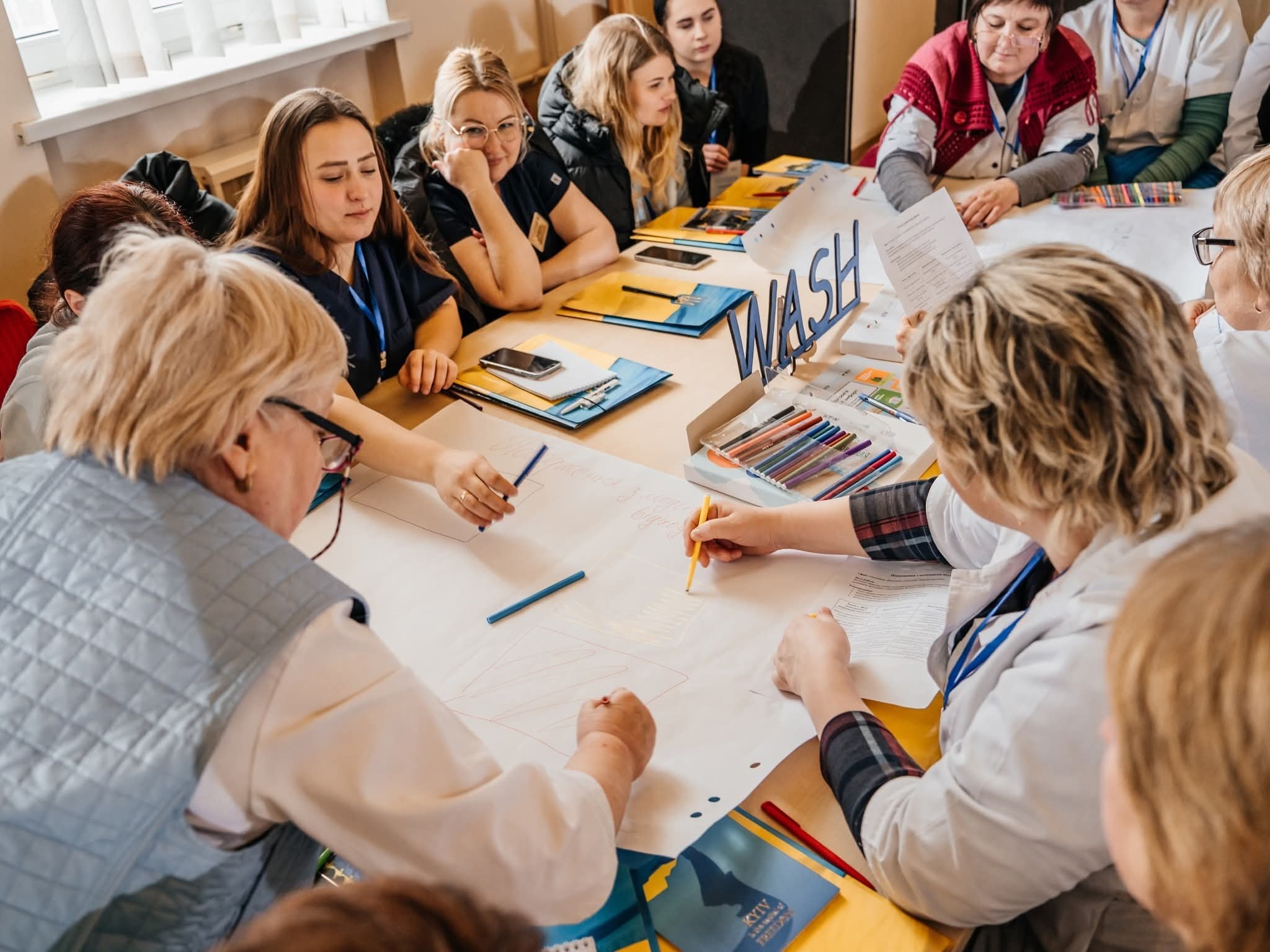
In the absence of compulsory state-provided sex education, specialist civil society organisations have taken on this educational role. They often combine their educational activities with voluntary and charitable work, whilst also providing essential items. One of the most experienced is the NGO ‘Women and Children of Ukraine – Our Future’, which has been defending the rights of women and children for over 20 years and acts as a key partner to UNICEF in implementing the WASH (Water, Sanitation and Hygiene) programme. The organisation works directly ‘on the ground’: it helps to restore sanitation infrastructure in de-occupied and frontline communities, trains educators and runs interactive training sessions for young people.
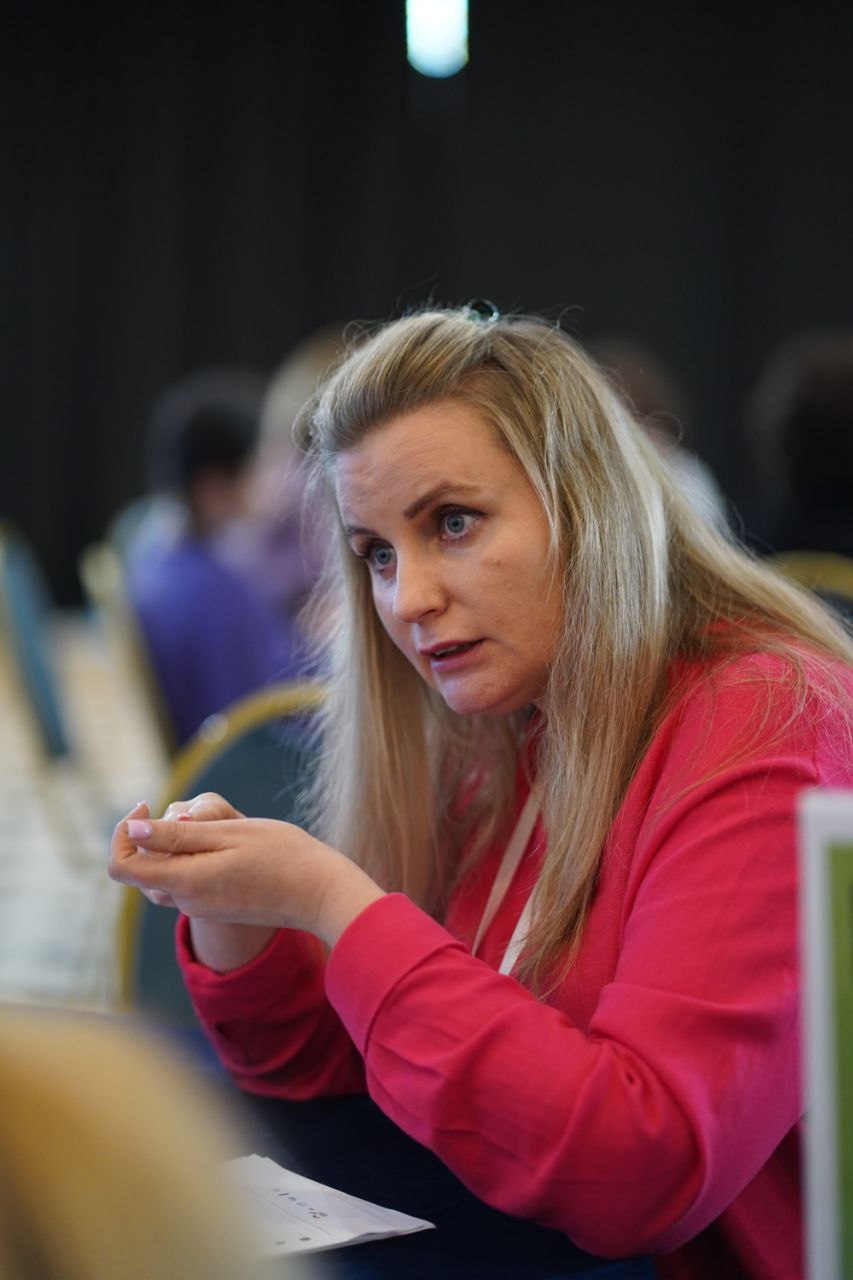
Speaking exclusively to GreenpPost, Svitlana Zhuravel, a trainer on the Water, Sanitation and Hygiene (WASH) programme at the NGO ‘Women and Children of Ukraine – Our Future’, discusses how to overcome age-old stereotypes, talk to teenagers without feeling embarrassed, and look after oneself in the absence of electricity and water Svitlana Zhuravel.
— The war has significantly changed our daily lives and forced us to look at familiar things in a new light. Things that used to seem simple — washing our hands, having a shower or changing our toiletries regularly — are not always possible today. This is felt particularly keenly by teenage girls and women during prolonged stays in shelters, and during water and power cuts.
We recommend that you prepare a personalised hygiene kit in advance, which should be kept in your ‘emergency bag’. It should include menstrual hygiene products and a change of underwear; unscented wet wipes, hand sanitiser, toilet paper and small bags for used items; and drinking water.
Even when there is no water, it is important not to forget about hand hygiene, as this is one of the simplest ways to look after your health. We recommend always keeping a small bottle of hand sanitiser containing at least 60 per cent alcohol to hand – it will come in handy in a shelter, whilst travelling, or during prolonged water cuts. At the same time, we remind children that it is best to wash their hands with soap at the first opportunity, especially if they are visibly dirty. After all, even in difficult circumstances, small daily habits help us to look after ourselves and our loved ones.
When it comes to menstrual hygiene, in situations where access to clean water and private space is limited, the most practical solution is often to use disposable sanitary pads. They do not require any additional water for cleaning, and after use they can be wrapped up and placed in a special waste bin. It is important to change sanitary products promptly and to wash your hands before and after changing them.
We would like to emphasise in particular the need to ensure adequate sanitary and hygiene conditions in shelters. Even a small supply of menstrual hygiene products, access to water, lighting, closed waste bins and the opportunity to have some privacy can significantly improve the well-being of girls and women.
However, our approach is not limited to practical advice. The psychological aspect is just as important. During our training sessions, we aim to help teenagers understand that menstruation is a natural physiological process, and that there is no need to feel embarrassed about talking about it or asking for help.
Our key message is simple: even in the midst of war, and despite a lack of water and electricity, every girl and woman should be able to look after her health without fear, shame or humiliation.
— How are your training courses structured for different age groups, and what materials do participants receive?
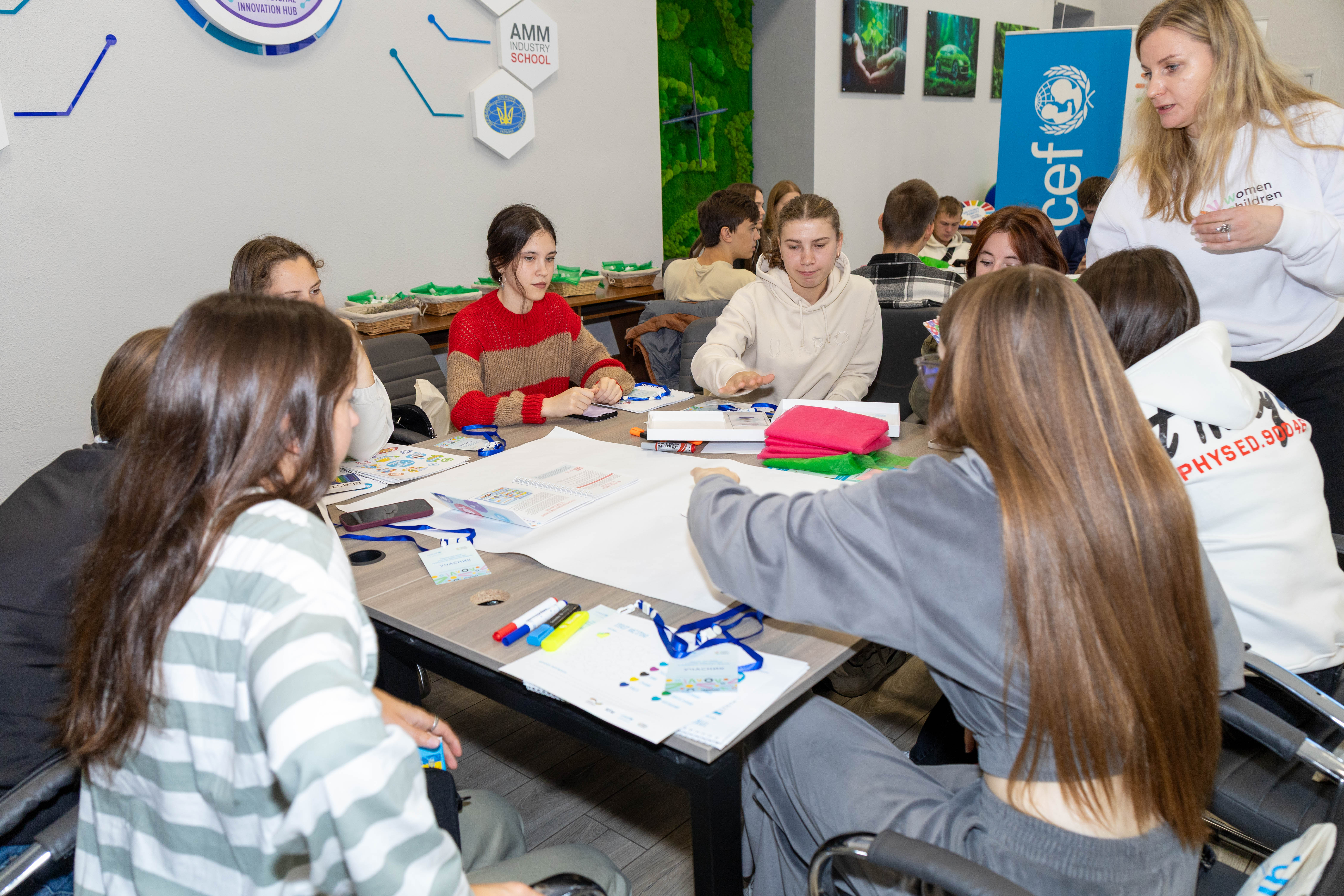
— In our work, we use two training packages: ‘Health and Well-being’ and ‘Hygiene 360°: Body, Mind, Food, Environment’, developed by experts from the NGO ‘Women and Children of Ukraine – Our Future’ with the support of UNICEF. What makes these materials unique is their comprehensive approach to hygiene issues through the lens of the UN Sustainable Development Goals. We do not simply teach the rules of personal hygiene; we help children understand the interconnection between human health, access to clean water, gender equality, psychological wellbeing and environmental conservation. Through simple, everyday situations, we demonstrate how each person’s individual habits and decisions can influence their quality of life and the environment.
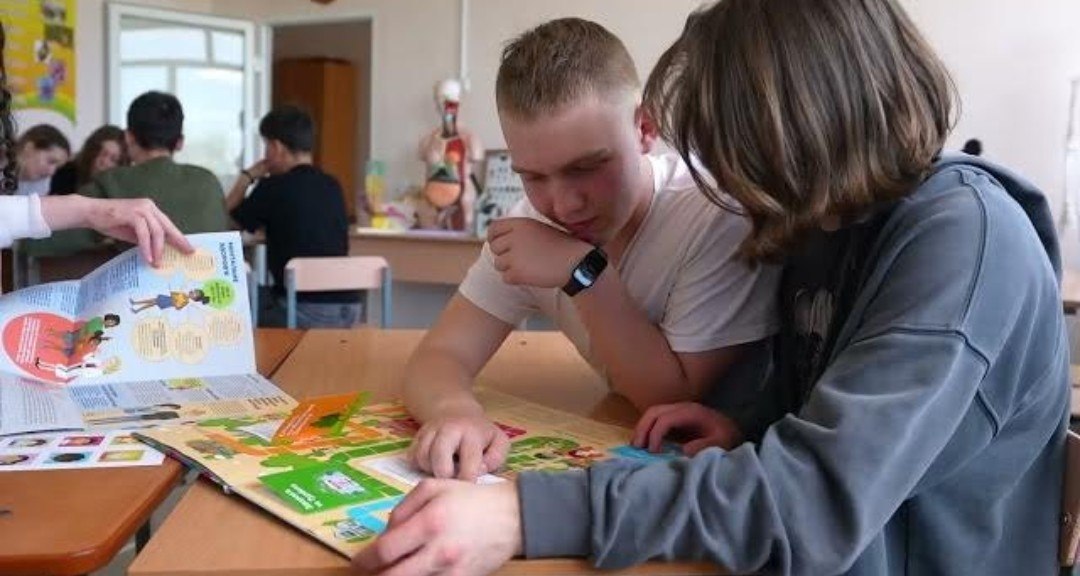
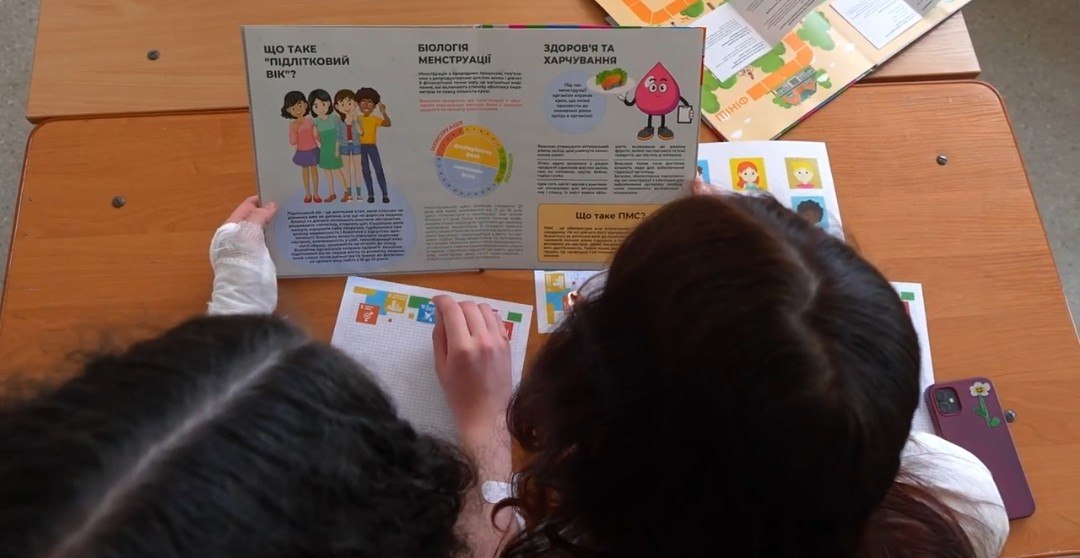
The ‘Health and Wellbeing’ package focuses on coming of age, menstrual health and psychological resilience. Its highlight is an interactive board game that helps participants gain knowledge, debunk myths and speak more freely about sensitive topics.
‘Hygiene 360°’ offers a significantly broader perspective on hygiene. It consists of an illustrated guide with six thematic sections devoted to water, personal hygiene, the environment, nutrition, hygiene in emergencies, mental health and cyber hygiene. A particularly engaging feature is the interactive game comprising 60 cards across four categories: ‘Facts’, ‘Discussion’, ‘Situation’ and ‘Creative’. These encourage children not just to memorise information, but to express their own thoughts, analyse real-life situations, discuss issues and find solutions. The pack also includes QR codes with additional resources, daily habit trackers and themed sticker packs, which children particularly enjoy.
A key advantage of both packages is their versatility and the ability to adapt them to different age groups. We take a creative approach to each lesson, supplementing the teaching materials with practical exercises, masterclasses and interactive activities.
We work with younger schoolchildren through play and creative activities. With teenagers, we use discussions and debates on real-life situations and issues that concern them. We run training sessions for teachers, during which they not only familiarise themselves with the materials but also learn how to use them effectively, so that they can subsequently run such sessions themselves.
— The topic of menstruation is still stigmatised. How do coaches create a safe space? Do boys and fathers get involved in the conversation?
— The subject of menstruation really is still quite a sensitive one, particularly amongst teenagers. And our experience shows that, at the start of the training sessions, virtually all participants feel a certain degree of embarrassment. Children are shy about asking questions; sometimes they react with laughter or try to avoid the discussion. But the most interesting thing is how the atmosphere changes as the session progresses. Thanks to interactive games, such as the ‘Myth or Fact’ exercise, open discussions and the exploration of real-life situations, the tension gradually eases, trust builds, and the topic of menstruation ceases to be something awkward or taboo. We do not force the conversation, but rather create a safe space where everyone can speak their mind, ask questions or simply listen without fear of judgement.
Our training sessions were held in various formats: separately for teenagers, including in mixed groups of girls and boys, as well as involving children alongside their parents and teachers. Incidentally, speaking from my own experience, I can say that it is sometimes even easier to discuss issues of menstrual hygiene with boys. They show genuine interest, take the information seriously and ask questions actively. This confirms once again that such knowledge is not only needed by girls, as an understanding of natural physiological processes fosters respect and support and helps to overcome stereotypes.
Of course, not all participants overcome psychological barriers at the same pace. Even by the end of the training, there are still some children who need more time to engage openly with this topic. And this is perfectly natural, as changing ingrained beliefs does not happen in a single session. That is precisely why we are convinced that we need to talk more about menstruation – calmly, openly, respectfully and without shame. The more often such conversations take place in schools and families, the sooner menstrual hygiene will be seen as a normal part of health, rather than a topic that needs to be hushed up.
— The WASH programme combines education with the restoration of water supply and sanitation. How does educating children and teachers go hand in hand with real improvements to conditions in school toilets?
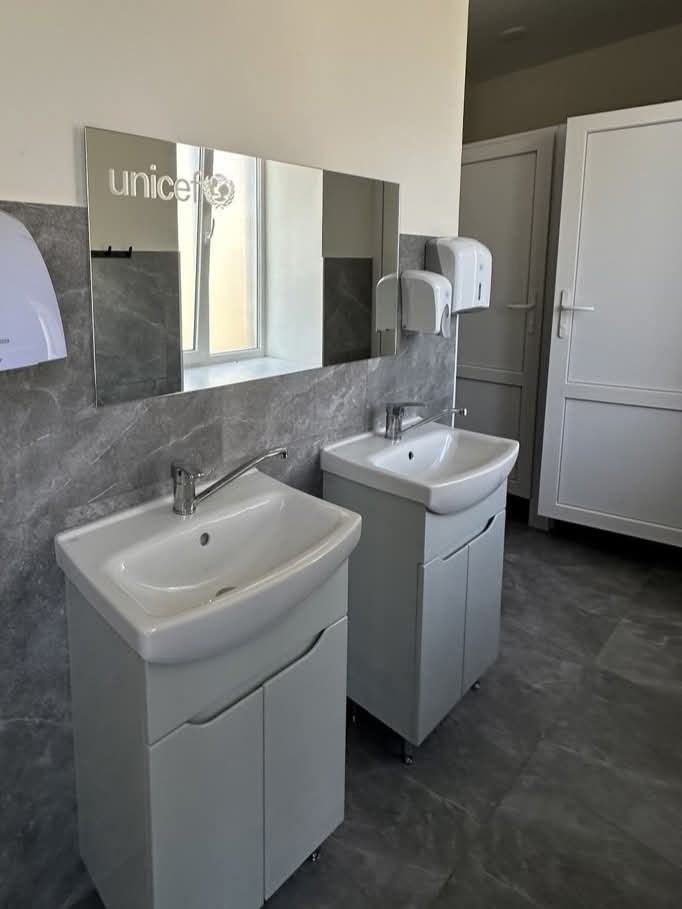
— It is impossible to expect a child to follow hygiene rules if there is no access to water or clean and safe toilets at school. That is why UNICEF combines infrastructure solutions with educational initiatives. Whilst some initiatives focus on improving water supply and sanitation, our organisation teaches children how to use these facilities appropriately.
During the training sessions, we discuss not only personal hygiene, but also what makes school toilets comfortable and safe: access to water and soap, privacy, cleanliness, the availability of menstrual hygiene products, and the ability to dispose of them properly. At the same time, we teach children to use shared spaces responsibly, to conserve water and to look after the environment.
It is important to us that improvements in sanitary conditions are accompanied by a change in attitudes towards hygiene, as a modern school toilet is not just about infrastructure, but also about the health, comfort, safety and dignity of every child.
— What is the procedure for a school or youth centre if they wish to organise such an event in their community?
— The procedure is very simple. Find out about our areas of work on our official website: wcu.org.ua. Send an official email to: [email protected].
In your letter, please state the organisation’s requirements, the approximate number and ages of participants, and your preferred dates and format for the event.
We are always open to collaboration when the initiative comes from the communities themselves, teachers or parents’ committees.
— How do children, teenagers, teachers and parents respond to the training programme? What do you see as the main value of your work?
— The feedback from participants on our training sessions is generally very positive. And, perhaps, the greatest reward for us is seeing how the atmosphere changes during the sessions: from initial shyness and reserve to genuine interest, active engagement and open discussion of issues that people previously felt uncomfortable even asking about.
Such meetings have become extremely important in the context of the war and remote learning, when children and teenagers often lack face-to-face interaction, the chance to be heard, to share their experiences and to feel supported by their peers. Our training sessions are not merely about imparting knowledge, but above all provide a space for communication, mutual understanding and trust.
We deliberately move away from the traditional model, where the coach simply teaches and the children listen. We interact with participants as equals; we do not lecture them or judge their questions or views. We make it clear that it is perfectly normal to feel shy, nervous or not to know something. It is important not to be afraid to ask questions, to seek answers and to gradually overcome one’s own prejudices.
Thanks to interactive games, discussions and practical exercises, even complex and sensitive topics become clear and accessible. Both teachers and parents have responded positively, as these sessions help them find the right words to talk to their children about growing up, personal hygiene, menstrual health and psychological wellbeing.
We see the particular value of educational activities not only in the knowledge gained, but also in the change in attitudes towards oneself and others. Children learn to respect personal boundaries, understand their own bodies better, show empathy, support one another and take a responsible approach to their health.
— Who are your coaches, and what training do they undergo?
— Our team of trainers comprises specialists from various fields, united by their professional experience, a desire to work with children and an understanding of the importance of health education. Among them are practising doctors, including gynaecologists and paediatric gynaecologists, as well as educators and teachers who have experience working with teenagers and know how to discuss even the most sensitive topics in an accessible way.
An important part of the trainers’ preparation involved familiarising themselves with training materials, interactive methods and principles of safe and non-discriminatory communication, all of which were specially developed with the support of UNICEF. In addition, before commencing work within the programme, the specialists involved undertook compulsory online training on protection against sexual exploitation and abuse (PSEA), as well as digital safety. This is particularly important when working with children and adolescents, as it is not just about imparting knowledge, but also about upholding ethical standards, respecting personal boundaries, maintaining confidentiality and creating a safe educational environment. The strength of our team lies in the combination of medical knowledge, teaching experience and a genuine desire to connect with children. After all, it is important for us not simply to share knowledge, but to create an atmosphere of trust in which every child feels comfortable, is not afraid to ask questions, and knows that they will be heard and understood.
The experience of Ukrainian civil society organisations working in partnership with UNICEF shows that changing attitudes begins with simple, concrete steps. These include having honest discussions in the classroom without dividing children by gender; ensuring there is toilet paper and a lock on the school toilet door; keeping a first-aid kit containing sanitary pads in the shelter; and ensuring there is no stigma when seeking medical advice. The sooner we learn to talk about physiology calmly and respectfully, the healthier, more humane and more aware our society will become.
The GreenPost team would like to thank Svitlana Zhuravel and the NGO ‘Women and Children of Ukraine – Our Future’ for their work and cooperation.
Read more news on GreenPost.


