



A Ukrainian Armed Forces veteran has died in Sheptytskyi after his prosthesis caught fire whilst charging
The powerful lithium-ion batteries used in modern bionic prostheses are extremely vulnerable to power surges and require strict safety regulations.

 Tragedy in Sheptytskyi: veteran dies after his prosthetic limb catches fire whilst charging. Photos from social media


Given the regular power cuts and sudden voltage surges, charging electrical appliances as normal poses an increased risk. The modern bionic prostheses used by Ukrainian veterans, which are fitted with powerful lithium-ion batteries, require particular care. A tragic incident occurred in Sheptytskyi, in the Lviv region, where a fire caused by a short circuit whilst a prosthetic leg was being charged claimed the life of a 35-year-old veteran of the 3rd Separate Assault Brigade.
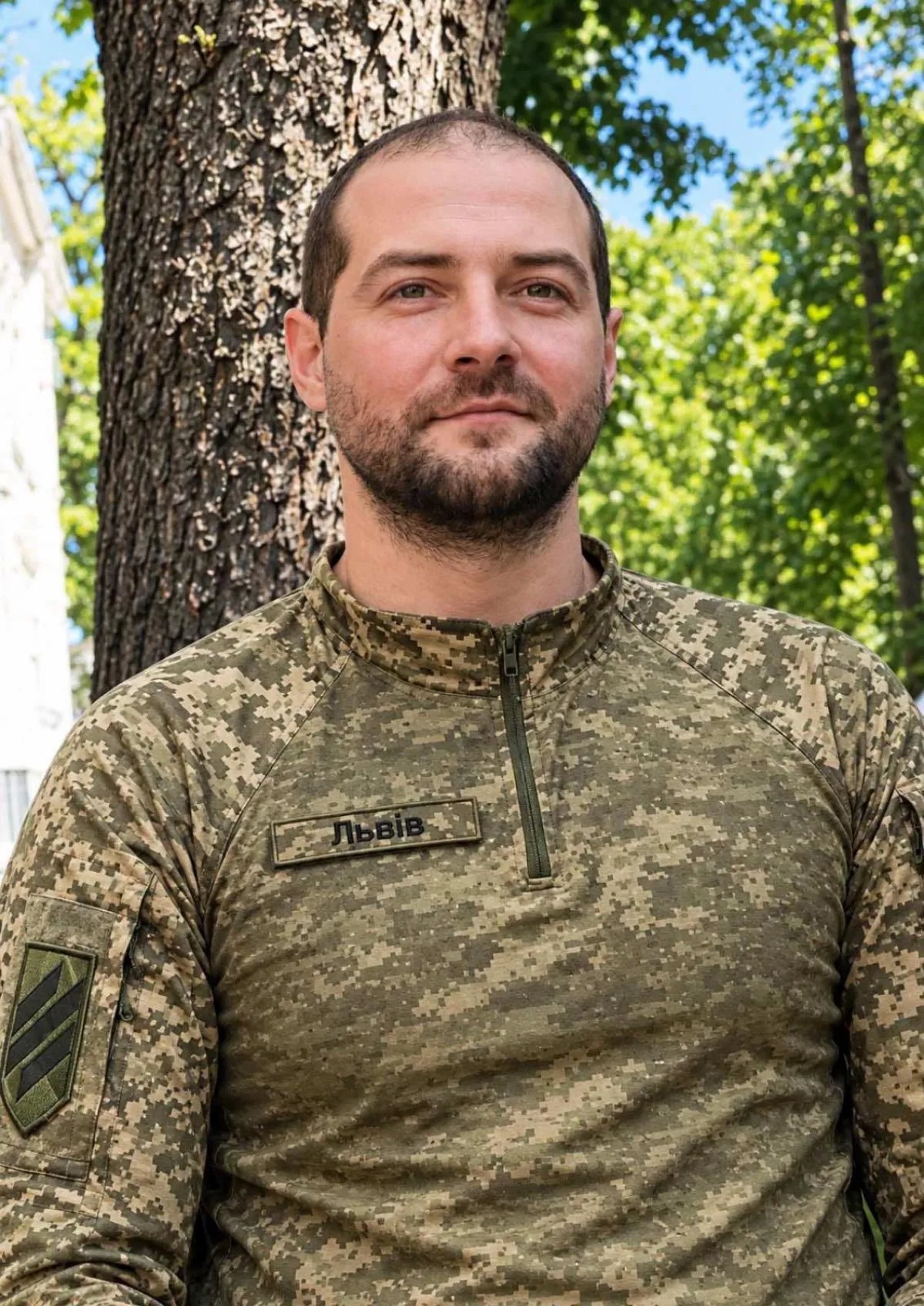
Yevgeny Gorozhankin, Photo: ‘Your City’.
The soldier returned from Germany in 2024 to volunteer to defend Ukraine. On the front line, he was seriously wounded, had his leg amputated and was demobilised, but despite the difficult treatment he underwent, he continued to support his comrades and made plans for the future. On 5 September, an explosion rocked his flat on the eighth floor on Sokalska Street and a fire broke out — the soldier suffered 55 per cent burns to his body and died in hospital. According to the police report, the fire was caused by a short circuit in the electrical system. The mother of the fallen hero, Mrs Olena, urges all military personnel and civilians with prosthetic limbs to be as vigilant as possible when using electrical appliances.
Why is a prosthetic battery left plugged into a socket a potential hazard?
Modern bionic and microprocessor-controlled prostheses from leading manufacturers (Ottobock, Össur, Esper Bionics) are powered by lithium-ion batteries, which, in the event of a short circuit or power surge, are prone to ‘thermal runaway’ — an uncontrolled reaction involving instantaneous heating to hundreds of degrees, an explosion and the emission of flames that cannot be extinguished with water. When power is restored after a blackout, the voltage in sockets often spikes to 250–270 volts, placing a critical strain on the chargers.
Manufacturers and prosthetics specialists emphasise the key rules for safe use:
- Surge protection and standard adaptors: never leave the power supply plugged into the socket when the device is not in use; connect the prosthesis only via a voltage relay (‘barrier’) or a high-quality mains filter; and use only original chargers.
- Temperature conditions and charging location:After being exposed to cold temperatures, allow the prosthesis to warm up indoors for 1–2 hours before connecting it (acceptable temperature range: +10 to +35 degrees); place the device only on a solid, non-flammable surface away from beds or curtains; do not leave it on charge overnight; and do not wear the prosthesis whilst the cable is connected.
- Official servicing and damage checks: keep the components dry; after any heavy knocks, check the casing for cracks or unusual heating; and only have batteries replaced by licensed prosthetics and orthopaedics centres listed by the Ministry of Social Policy.
A basic guide to electrical safety from the State Emergency Service
The State Emergency Service reminds the public that following basic fire safety rules at home can help prevent short circuits during power surges. Rescue workers urge people to use only certified power adaptors, to unplug them from sockets once charging is complete, and not to place gadgets or power banks on soft furnishings or under pillows.
Furthermore, it is strictly forbidden to plug several high-power appliances into a single socket via splitters, to daisy-chain extension leads, or to use a coiled extension lead whilst it is still wound up. If a socket is sparking, buzzing or emits a smell of burnt plastic, you must immediately switch off the power to the property at the fuse box and call a qualified electrician.
Read more news on GreenPost.


