



Giant Waves: The Top 5 Most Powerful and Tallest Tsunamis Ever Recorded
How historical mega-tsunamis have shaped modern coastal warning and protection systems.

 Image: Katsushika Hokusai - Metropolitan Museum of Art.


Every year on 5 November, in accordance with a resolution of the UN General Assembly, World Tsunami Awareness Day is observed. The initiative was launched in 2015 at the suggestion of Japan — a country with a wealth of long-standing experience in the fields of early warning, engineering protection and disaster response.
The date of 5 November was chosen in honour of the story of ‘Inamura-no-hi’ (burning sheaves of rice). In 1854, during an earthquake, a Japanese farmer named Hamaguchi Goro set fire to his rice crop on a hill to attract attention and urge the villagers to climb to higher ground immediately, thereby saving hundreds of lives from the tsunami that struck the coast within minutes.
The nature of tsunami formation and the scale of the danger
A tsunami is a series of long, high ocean waves caused by undersea earthquakes, landslides, volcanic eruptions or meteorite impacts. Unlike ordinary storm waves, which are caused by wind, tsunamis affect the entire water column and can travel across the open ocean at the speed of a jet aircraft (up to 800–900 km/h).
As a wave approaches shallow water, its speed decreases, but its height increases rapidly, turning into a devastating wall of water. The main causes of the catastrophic consequences of such disasters include:
- Suddenness and lack of time: between the underwater shockwave and the arrival of the first wave on the coast, several minutes to half an hour often elapse.
- Enormous kinetic energy: the flow of water destroys buildings and infrastructure, washes away bridges and floods vast areas stretching kilometres inland.
- Secondary damage: contamination of drinking water sources, damage to chemical and industrial facilities, and outbreaks of infectious diseases following the receding of floodwaters.
The top 5 most destructive tsunamis recorded in history
1. The Lituya Bay megatsunami (Alaska, USA, 1958) — 524 metres
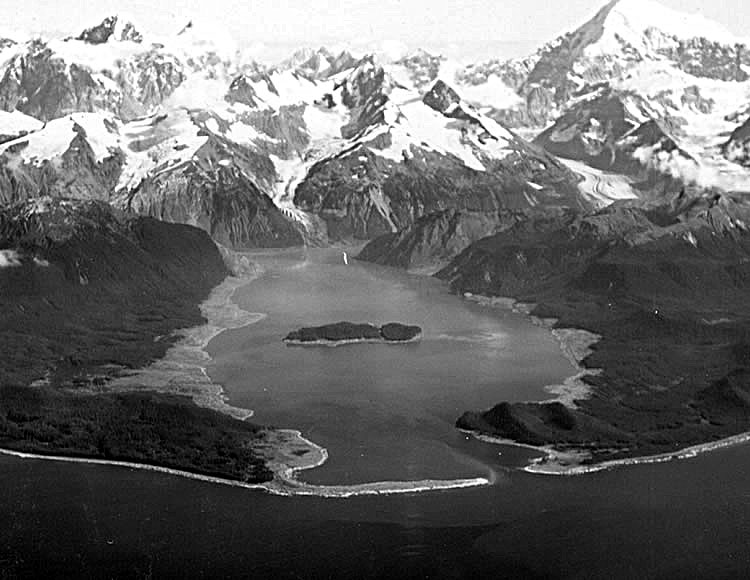
The absolute world record for wave height is held by the megatsunami that struck on 9 July 1958 in the narrow Lituya Bay on the south-east coast of Alaska. Following a powerful earthquake measuring 7.8 on the Richter scale, around 30 million cubic metres of rock and ice collapsed from the cliff into the water.
The displaced mass of water formed a gigantic wave which swept away the soil and millions of trees on the opposite slope of the bay, reaching a record height of 524 metres above sea level. As the area was uninhabited, the disaster claimed the lives of only a few people, but it became a unique subject of study for seismologists.
2. The massive, deadly tsunami in the Indian Ocean (2004) — up to 50 metres
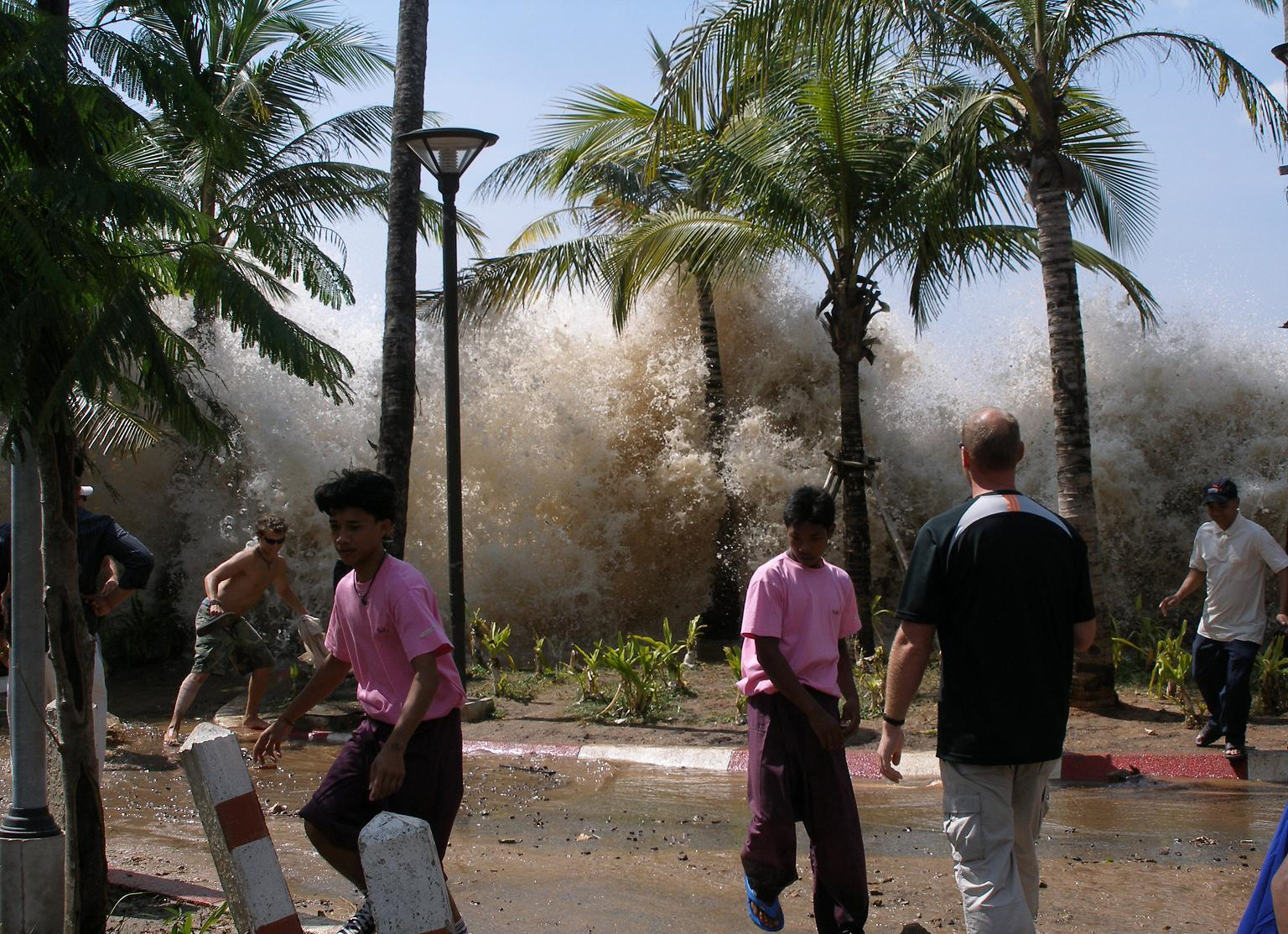
On 26 December 2004, a massive undersea earthquake with a magnitude of 9.1–9.3 near the island of Sumatra in Indonesia triggered the largest and deadliest tsunami in modern history. Wave heights along the Sumatra coast reached 30–50 metres, and the tidal surge advanced 4 kilometres inland.
The disaster affected 14 countries across the entire Indian Ocean basin — from Indonesia and Thailand to India and Somalia. The tragedy claimed the lives of more than 230,000 people, prompting the international community to establish a global early warning system in the Indian Ocean.
3. The Great East Japan Tsunami in Tohoku (Japan, 2011) — up to 40.5 metres
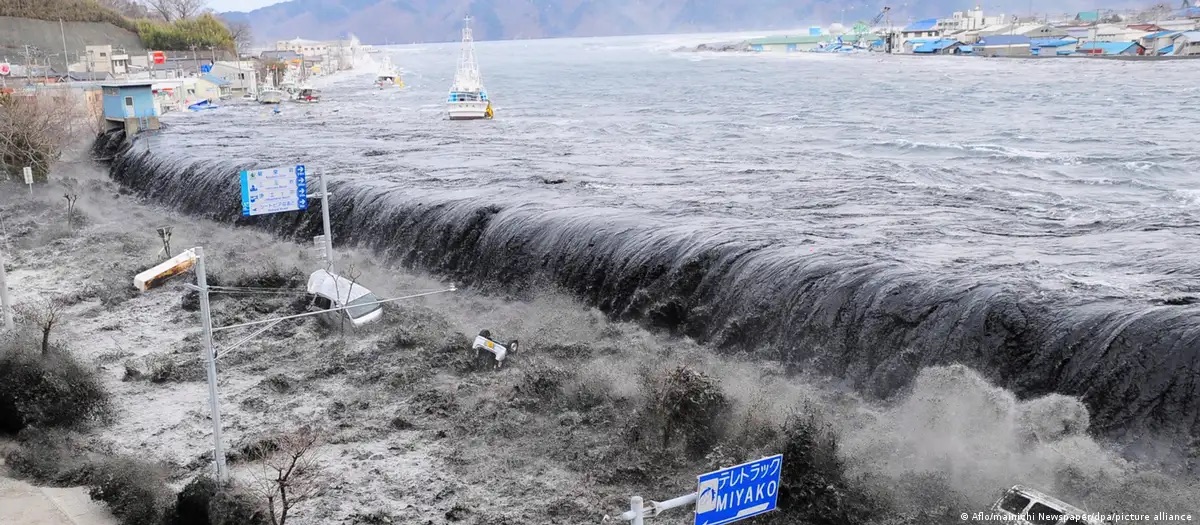
On 11 March 2011, a powerful earthquake with a magnitude of 9.0–9.1 struck off the north-eastern coast of Japan. The resulting tsunami struck the coastlines of Miyagi, Iwate and Fukushima prefectures, with the maximum wave height near the city of Miyako reaching 40.5 metres.
The waves breached the protective dykes, flooded coastal towns and caused a major accident at the Fukushima Daiichi nuclear power station. The disaster claimed the lives of around 18,000 people and caused enormous material damage.
4. The eruption of Krakatoa (Indonesia, 1883) — 41 metres
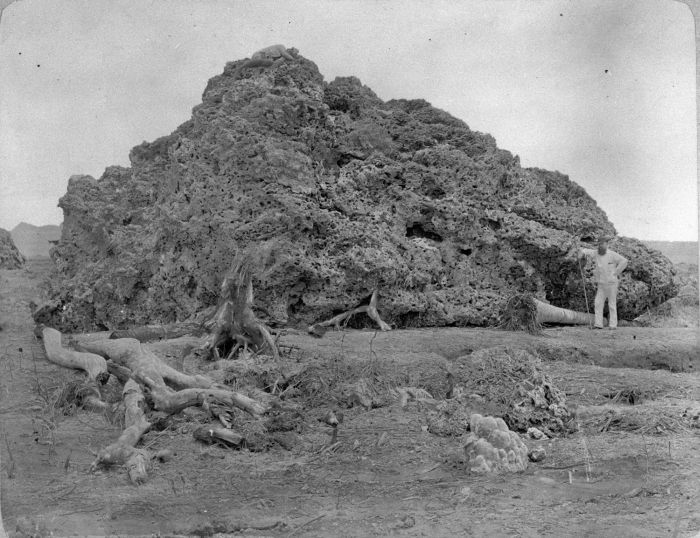
On 27 August 1883, a colossal eruption of Krakatoa in the Sunda Strait destroyed most of the island. A series of colossal explosions and the collapse of the caldera into the sea created a tsunami up to 41–46 metres high.
Powerful waves completely destroyed more than 300 towns and villages along the coasts of the islands of Java and Sumatra, causing the deaths of more than 36,000 people. The sound of the Krakatoa eruption is considered the loudest in the documented history of the planet.
5. The Great Chilean Tsunami / Valdivia (Chile, 1960) — up to 25 metres
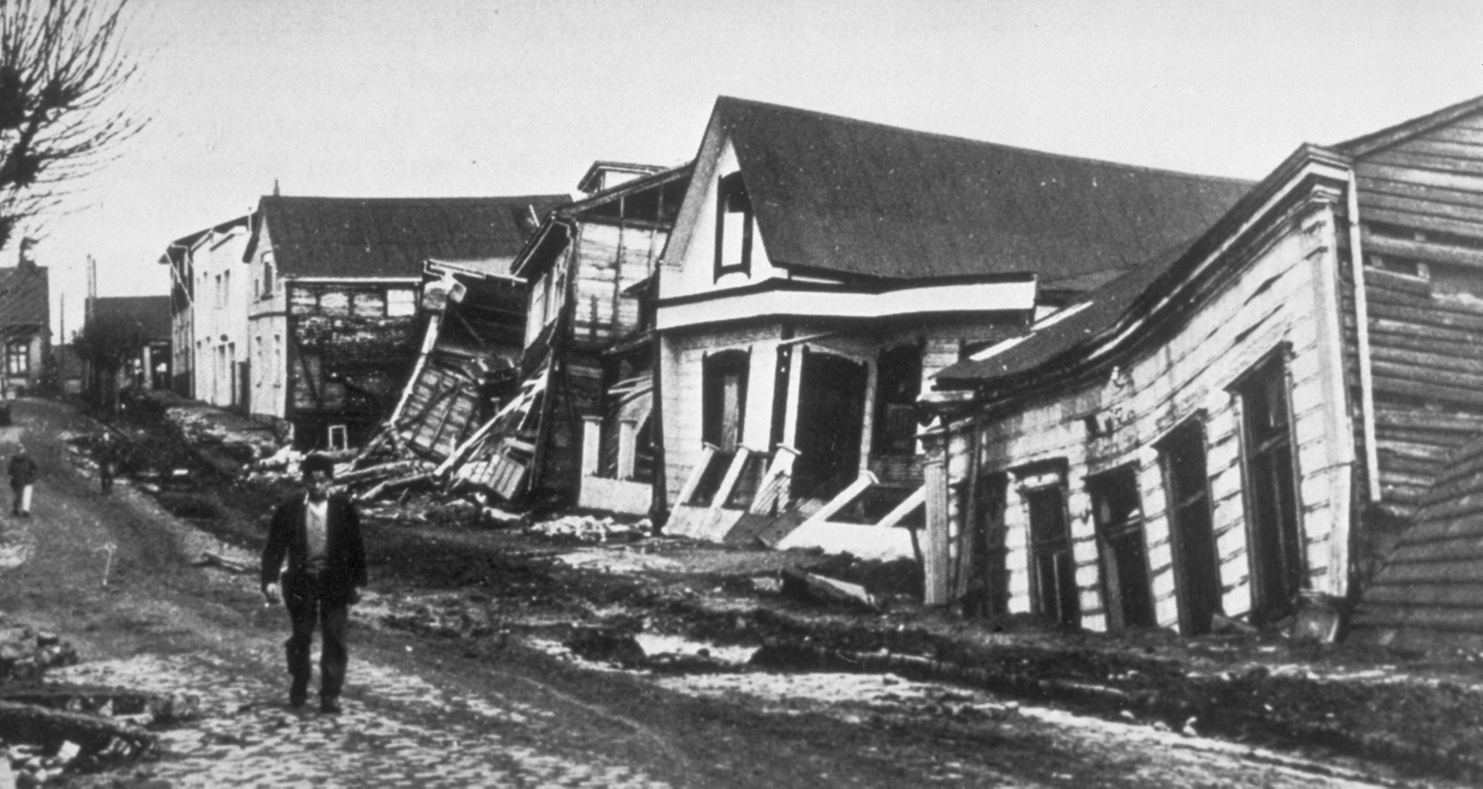
On 22 May 1960, the strongest earthquake ever recorded, with a magnitude of 9.5, struck Chile. It triggered a transoceanic tsunami, the waves of which reached 25 metres on the Chilean coast.
As this was a teletsunami, the destructive wave crossed the entire Pacific Ocean: within 15 hours it reached Hawaii (where 61 people died), and 22 hours later it struck the coasts of Japan (138 fatalities) and the Philippines. The disaster demonstrated the global scale of ocean waves and accelerated the establishment of the Pacific Tsunami Warning System (PTWS).
Early warning systems and community preparedness
The UN’s key message on this day is that natural phenomena cannot be stopped, but human casualties can be minimised through proper preparation, systematic information-sharing and engineering solutions.
The development of international networks of seismic sensors, deep-sea buoys and satellite monitoring enables alarm signals to be transmitted promptly to coastal stations. At the same time, the awareness of every resident in the coastal zone remains a crucial factor: regular evacuation drills, the installation of clear signage for escape routes, and the preservation of natural barriers — coastal forests and mangrove swamps — help to save lives during natural disasters.
Read more news on GreenPost.


