



- Home
- News
- Ecosphere
- Аnimals & plants
- Ukrainian biosphere reserves in the face of military challenges and environmental threats
Ukrainian biosphere reserves in the face of military challenges and environmental threats
3 November marks International Biosphere Reserves Day.

 Carpathian Biosphere Reserve. Photo: Wikipedia


Every year on 3 November, on the initiative of UNESCO, the world celebrates International Day for Biosphere Reserves. The aim of this day is to draw humanity’s attention to the importance of conserving natural ecosystems, to promote sustainable development and to remind us of the need for humans and wildlife to coexist in harmony.
The decision to establish the day was taken at the 41st session of the UNESCO General Conference in 2021, and the first official celebrations took place in 2022.
Biosphere reserves: what they are and how they work
Biosphere reserves (or reserves) are specially designated terrestrial, coastal or marine ecosystems that are internationally recognised under UNESCO’s ‘Man and the Biosphere’ Programme (MAB).
Unlike conventional nature reserves with strict protection regimes, biosphere reserves have a unique three-zone structure:
- Core area (strictly protected zone): a strictly protected area designated for the conservation of biodiversity, ecosystem monitoring and scientific research. Human interference is kept to a minimum here.
- Buffer zone: surrounds the core and is used for environmentally sound activities (ecotourism, education, fundamental scientific research).
- Transit (external) zone: an area where local communities, academics and economic operators work together to ensure sustainable resource management (organic farming, traditional crafts, balanced regional development).
Today, the World Network of Biosphere Reserves comprises more than 740 sites in over 130 countries around the world.
Ukraine’s biosphere reserves during the war
Ukraine is home to several unique biosphere reserves of international significance that form part of the UNESCO World Network: ‘Askania-Nova’, the Danube Biosphere Reserve, the Black Sea Biosphere Reserve, the Carpathian Biosphere Reserve, as well as transboundary reserves such as ‘Roztochya’ and ‘Western Polissya’.
In the face of a full-scale Russian invasion, Ukraine’s biosphere reserves have come under unprecedented pressure:
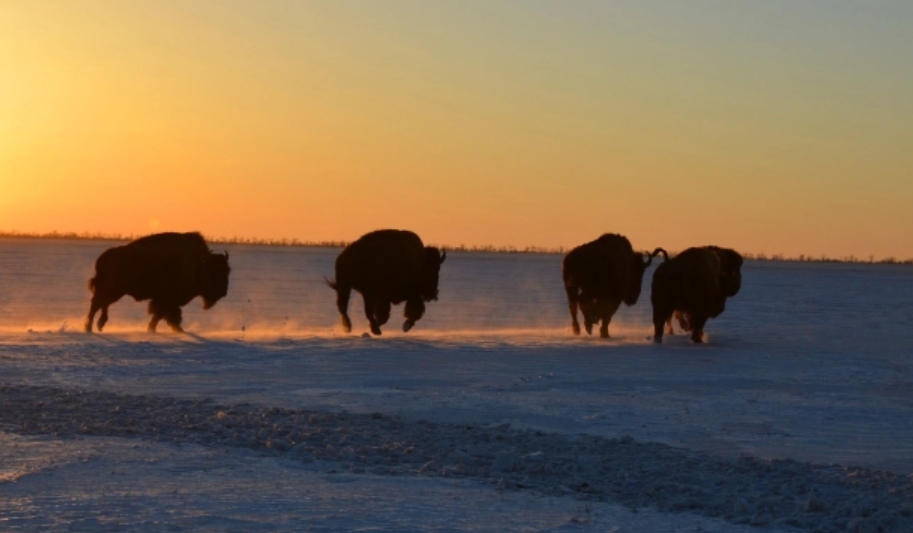
Temporary occupation and hostilities: the unique steppe ecosystems of ‘Askania-Nova’ and the Black Sea Nature Reserve were subjected to occupation, fires caused by shelling, the laying of mines and the destruction of infrastructure, which posed a direct threat to Red List species of animals and birds.
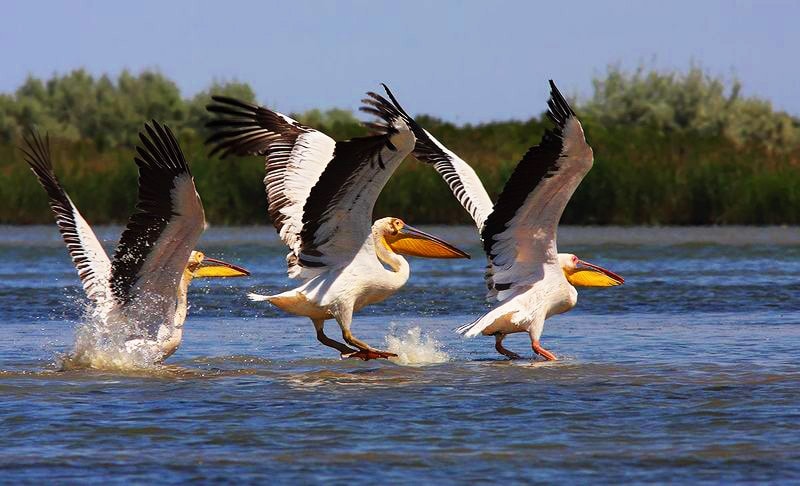
Attacks on coastal areas: The Danube Biosphere Reserve regularly suffers from systematic hostile drone and missile attacks on the adjacent port infrastructure, causing acoustic stress to wildlife, fires in the floodplains and the risk of oil pollution in the Danube Delta.
Sustainable development and the future of ecosystems
International Biosphere Reserves Day serves as a reminder that protecting the environment is not a luxury, but essential to the survival of humanity. Biosphere reserves act as ‘natural laboratories’ for studying adaptation to climate change, the conservation of drinking water, soil fertility and the maintenance of the planet’s ecological balance.
Despite the challenges posed by the war, Ukrainian scientists, environmentalists and foresters continue to document the damage, develop post-war environmental restoration programmes and fight to preserve every hectare of this unique wilderness.
Read more news on GreenPost.


