



- Home
- News
- Agrosphere
- Between food security and the conservation of water bodies: World Fisheries Day is observed on 21 November
Between food security and the conservation of water bodies: World Fisheries Day is observed on 21 November
For Ukraine, the sustainable use of aquatic biological resources is complicated by the far-reaching environmental consequences of the war and the danger posed by mines.

 World Fisheries Day on 21 November: the importance of the sector and the challenges it faces


Every year on 21 November, the world celebrates World Fisheries Day — a day dedicated both to the millions of people whose lives and livelihoods depend on the fishing industry and to the critical need to conserve aquatic ecosystems. The tradition of marking this day dates back to 1997, when representatives of fisheries organisations from around the world gathered in New Delhi to establish the World Forum of Fisheries Workers and sign a declaration in support of sustainable fisheries.
This sector is of strategic importance to the global economy and food security: according to the Food and Agriculture Organisation of the United Nations (FAO), fish and seafood provide animal protein for billions of people around the world, whilst tens of millions of people are employed in fisheries and aquaculture.
Global challenges facing the sector and the threat of water scarcity
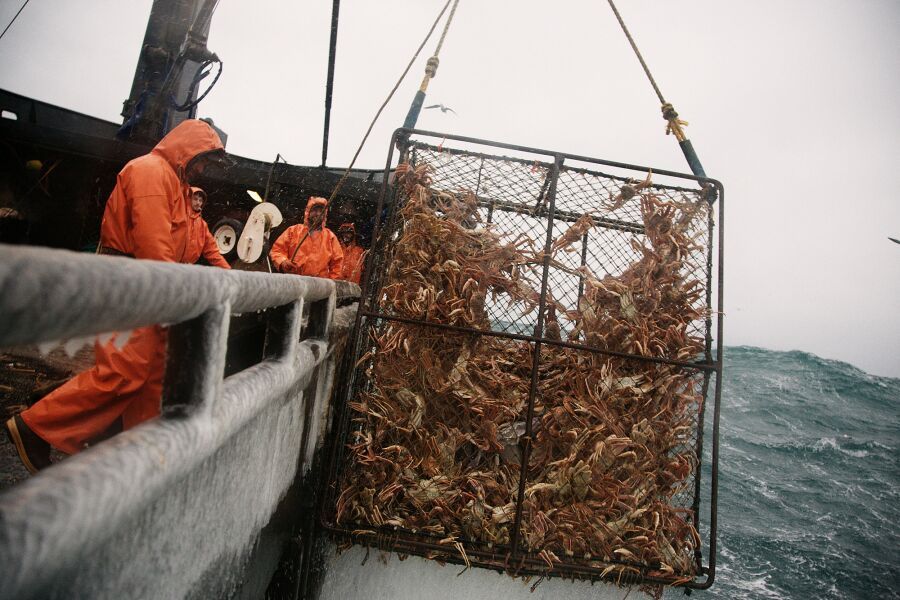
Despite its significant economic importance, the global fishing industry is undergoing a profound environmental transformation. Scientists and environmental organisations emphasise that intensive commercial fishing, climate change and the pollution of water bodies with plastic and chemical waste have led to a dangerous decline in the populations of many species of marine and freshwater fish.
Among the key issues highlighted during World Fisheries Day are:
- Overfishing: a situation in which the rate at which fish are caught exceeds the natural reproductive capacity of the populations, thereby disrupting food chains in the world’s oceans.
- Illegal, unreported and unregulated fishing: poaching causes billions in losses to the legal economy and destroys juvenile fish and valuable fish species during the spawning season.
- Forgotten fishing gear: synthetic nets that have been lost or discarded at sea continue to passively kill fish, seabirds and marine mammals for years on end.
The state of the fisheries sector and the challenges facing Ukraine’s water bodies
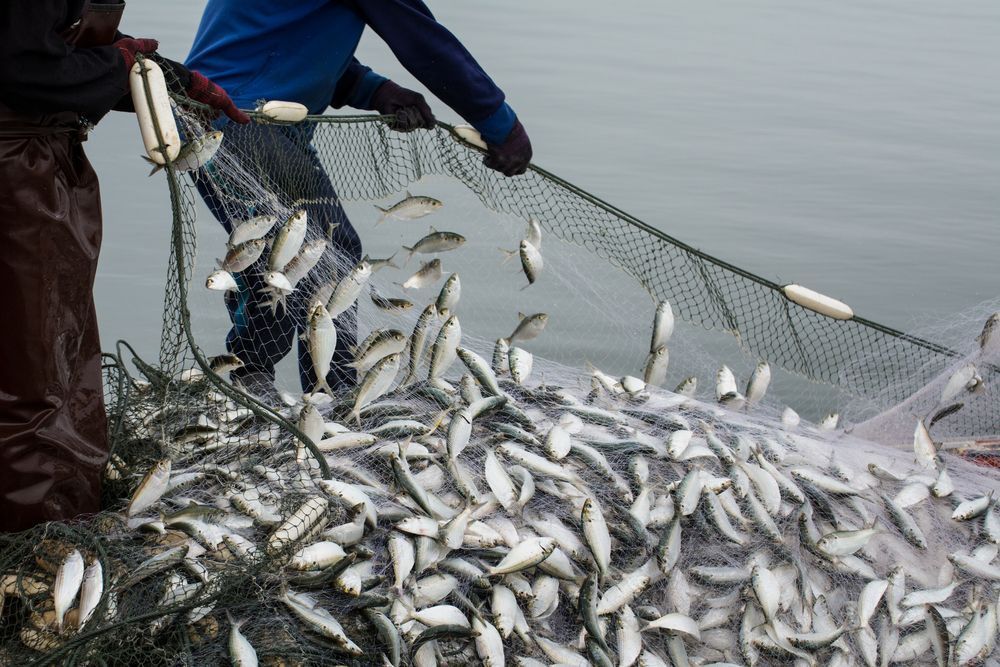
In Ukraine, the fishing industry encompasses both commercial fishing and the development of aquaculture, as well as a vast community of recreational anglers. However, Russia’s full-scale aggression has inflicted unprecedented damage on Ukraine’s fishing industry. The blockade and mining of the Black and Azov Seas, the destruction of the Kakhovka hydroelectric power station, the loss of spawning grounds, and the pollution of rivers with oil products and toxic munitions residues have significantly undermined the natural food supply and stocks of aquatic biological resources.
At the same time, the sector in Ukraine is undergoing reform in line with European standards: electronic auctions for commercial fishing rights are being introduced, and controls are being tightened to ensure compliance with spawning bans and the autumn–winter ban on fishing in wintering pools. A responsible attitude towards water bodies — on the part of both commercial fishermen and every angler with a rod — remains the key to restoring the living wealth of Ukraine’s rivers, lakes and seas.
Read more news on GreenPost.


