



A Common European Space for Children’s Rights: 20 November is Children’s Day in Ukraine
The move to reschedule the public holiday from the Soviet-era date of 1 June to November has brought the Ukrainian calendar into line with the UN’s Universal Children’s Day.

 Photos from open sources


Every year on 20 November, Ukraine, together with the international community, celebrates Children’s Day, which coincides with World Children’s Day (World Children’s Day). The historic decision to move the national holiday from 1 June to 20 November was adopted by a Decree of the President of Ukraine, Volodymyr Zelenskyy, dated 30 May 2025, in order to definitively break with the Soviet tradition and align the national calendar with European and global standards for the protection of children’s rights.
The date of 20 November is of fundamental significance in international law: it was on this day in 1959 that the UN General Assembly adopted the Declaration of the Rights of the Child, and exactly thirty years later — 20 November 1989 — the UN Convention on the Rights of the Child was adopted, becoming the most widely ratified human rights instrument in human history.
Why did Ukraine change its calendar tradition?
For a long time, Children’s Day was celebrated in Ukraine on 1 June — a date established in 1949 by a resolution of the International Democratic Federation of Women in Paris and adopted by the states of the former socialist bloc. The move to celebrate the holiday on 20 November underlined Ukraine’s choice to align with European civilisation and emphasised the human rights dimension of childhood.
The UN Convention on the Rights of the Child, ratified by Ukraine as far back as 1991, enshrines the fundamental principles which the state is obliged to follow in any decisions concerning minors:
- The best interests of the child: in all actions taken by public authorities, courts or social services, the child’s welfare and safety are given primary consideration;
- The inalienable right to life and development: ensuring the physical, mental, spiritual and social development of every child without any discrimination;
- The right to a family and to one’s own views: protection against separation from parents, protection against violence, and respect for the child’s views in accordance with their age and maturity.
The challenges of wartime and the struggle to bring young Ukrainians home
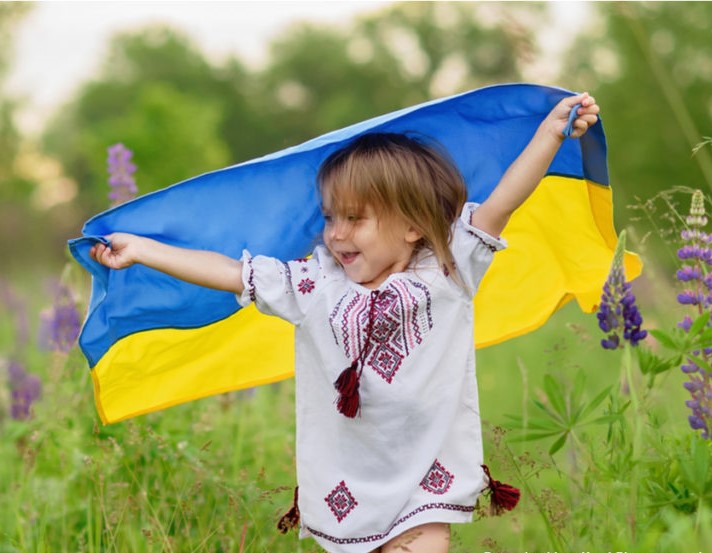
Against the backdrop of full-scale Russian aggression, Children’s Day in Ukraine has taken on a particularly poignant significance. Millions of Ukrainian boys and girls are forced to study to the sound of air-raid sirens, live in evacuation centres or cope with the psychological trauma of war. One of the most pressing issues remains the criminal deportation and forced displacement of Ukrainian children to Russia and the temporarily occupied territories.
Today, the efforts of the state, human rights organisations and international partners (in particular as part of the Bring Kids Back UA initiative) are focused on returning every abducted child home, providing safe shelters in schools and nurseries, offering psychological rehabilitation to affected families, and promoting family-based care so that no child remains in institutional care.
Read more news on GreenPost.


