



Why is pneumonia dangerous for children and adults?
From subtle symptoms to life-threatening complications.

 Image generated by AI


Every year on 12 November, on the initiative of the Global Coalition Against Childhood Pneumonia and with the support of the World Health Organisation (WHO) and UNICEF, World Pneumonia Day is observed. The day was established in 2009 to draw the attention of the global community, governments and healthcare systems to one of the most dangerous infectious diseases, which remains a leading cause of death among children under five and the elderly.
Pneumonia is an acute infectious inflammation of the lung tissue, during which the alveoli (microscopic air sacs in the lungs) become filled with fluid or pus. This significantly impairs gas exchange, causes oxygen deprivation in the body and poses a direct threat to life in the absence of timely medical care.
Causes of the condition and worrying symptoms
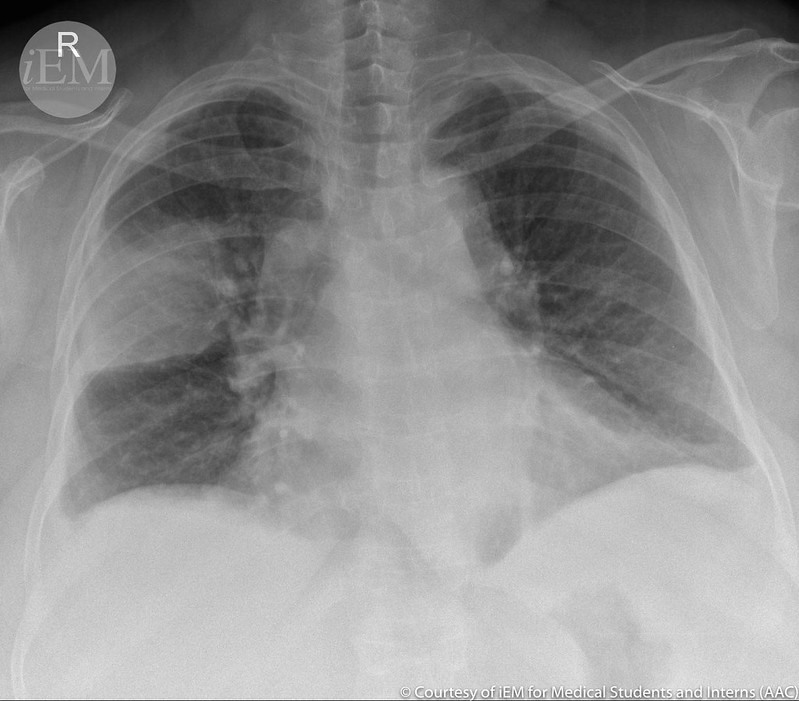
Pneumonia can be caused by bacteria (most commonly pneumococcus Streptococcus pneumoniae and Haemophilus influenzae), viruses (including influenza viruses, respiratory syncytial virus and coronaviruses) or, less commonly, fungal microorganisms. It is not uncommon for pneumonia to develop as a complication following acute respiratory viral infections.
Doctors have identified a list of characteristic symptoms that require immediate medical attention:
- High temperature and chills: a persistent fever that lasts for more than three days or returns after a temporary improvement in symptoms during a cold.
- Cough and chest pain: coughing fits (dry or productive), accompanied by pain or a feeling of tightness in the chest when taking a deep breath.
- Shortness of breath and rapid breathing: a feeling of not being able to get enough air, even at rest or during light physical activity.
- Severe generalised intoxication: extreme weakness, sweating, loss of appetite, and, in older people, confusion without a significant rise in temperature.
Effective prevention and protective factors
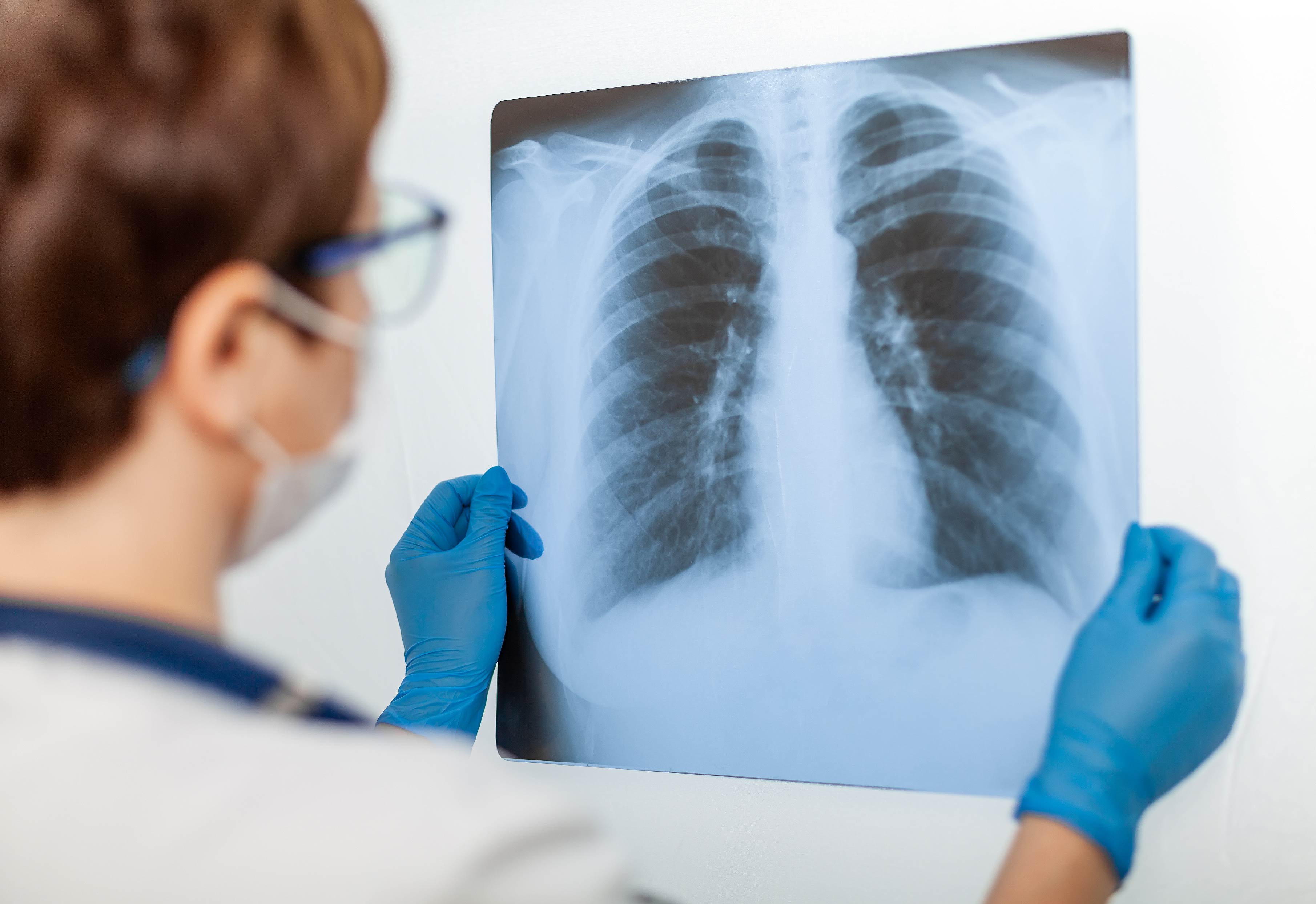
Modern medicine emphasises that pneumonia can be effectively prevented through a range of preventative measures, the key one being vaccination. Vaccinations against pneumococcal infection, Haemophilus influenzae type b (Hib), measles and whooping cough, as well as the annual seasonal flu jab, significantly reduce the risk of developing severe forms of pneumonia.
In addition to vaccination, environmental factors and a healthy lifestyle play an important role in protecting the respiratory system:
- Air quality: giving up smoking (including passive smoking) and reducing exposure to air pollution and household aerosols, which damage the mucous membranes of the airways.
- Hygiene and ventilation: washing your hands regularly, airing out living and working spaces, and maintaining optimal humidity levels.
- Seeking help in good time: a firm refusal to self-medicate with antibiotics, which are ineffective against viruses and lead to dangerous antibiotic resistance.
This material is intended solely for informational and educational purposes and does not constitute medical advice, diagnosis or treatment recommendations. If you experience symptoms of a respiratory illness, you must consult the relevant specialist — your GP or a pulmonologist.
Read more news on GreenPost.


